Mount Vinson
Challenge yourself on a mountain set apart by the scale, isolation and pristine beauty of Antarctica
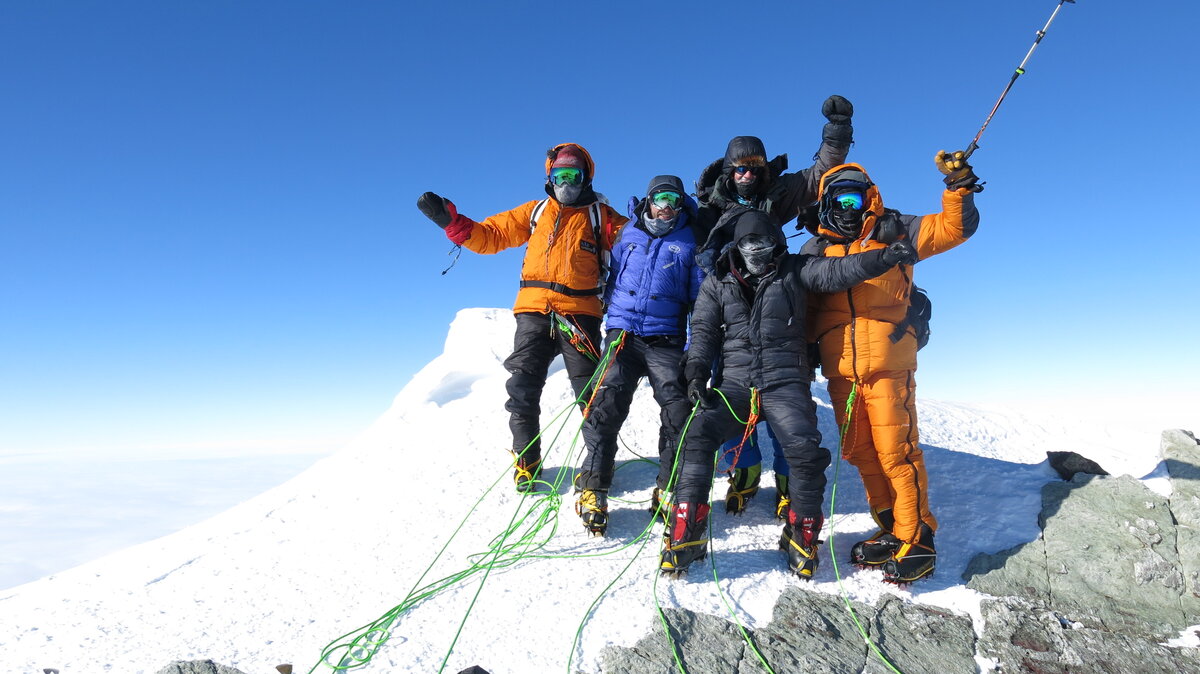
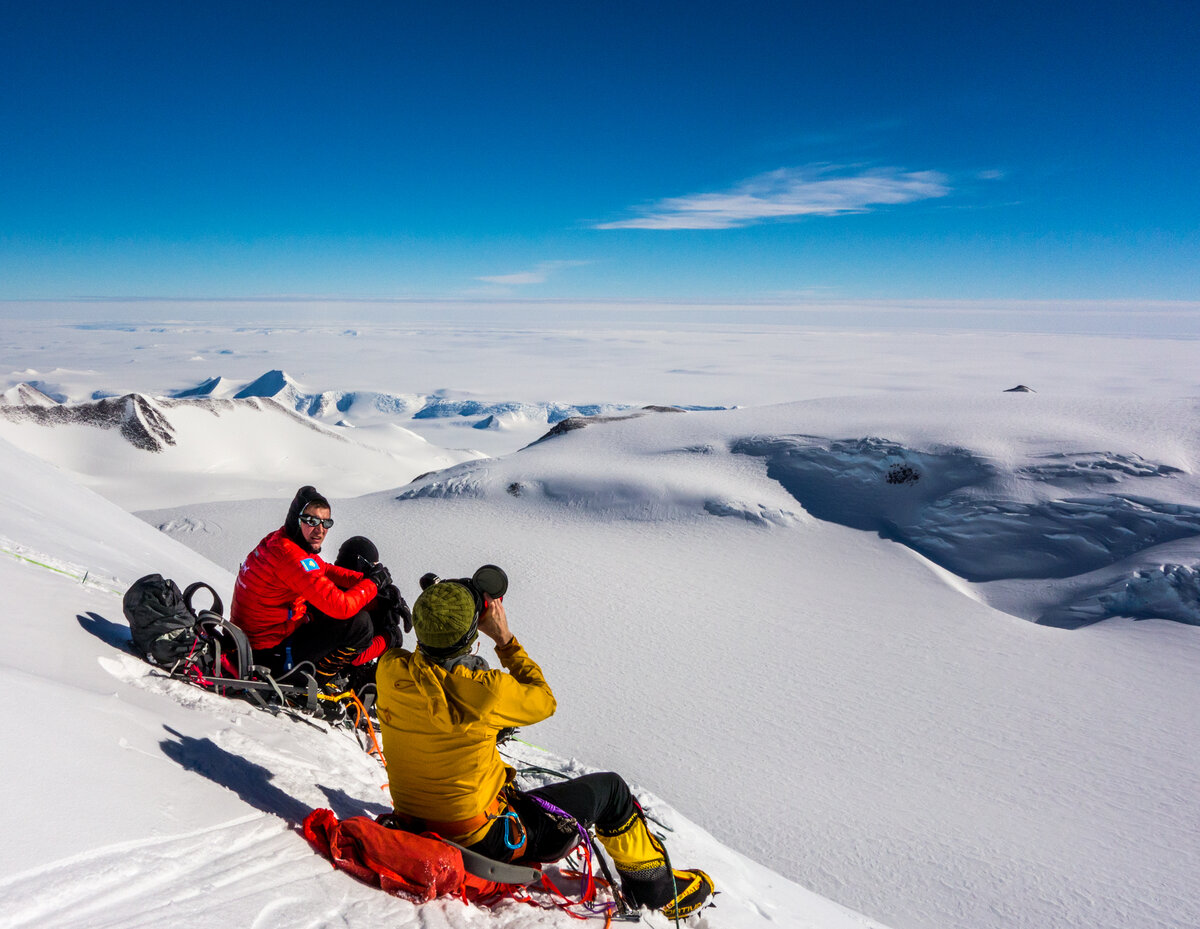
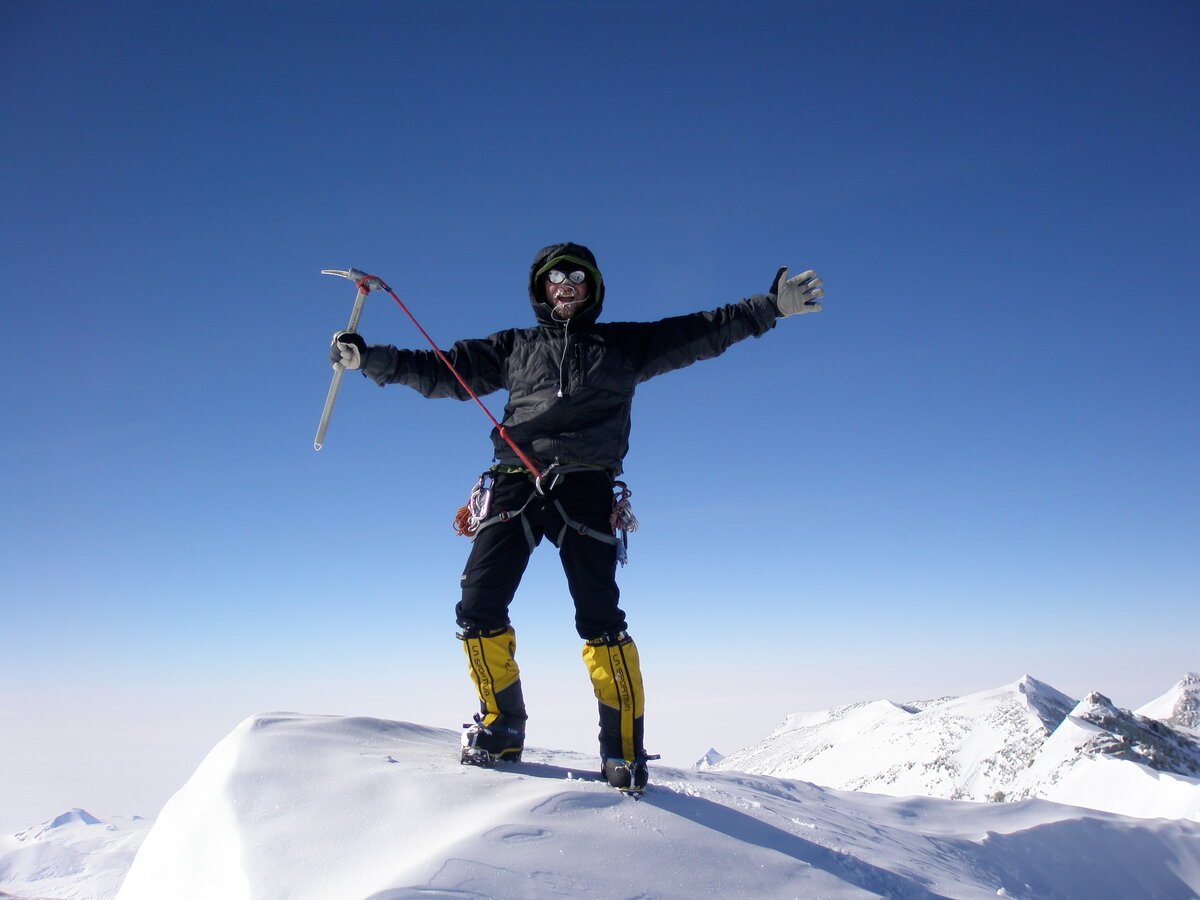
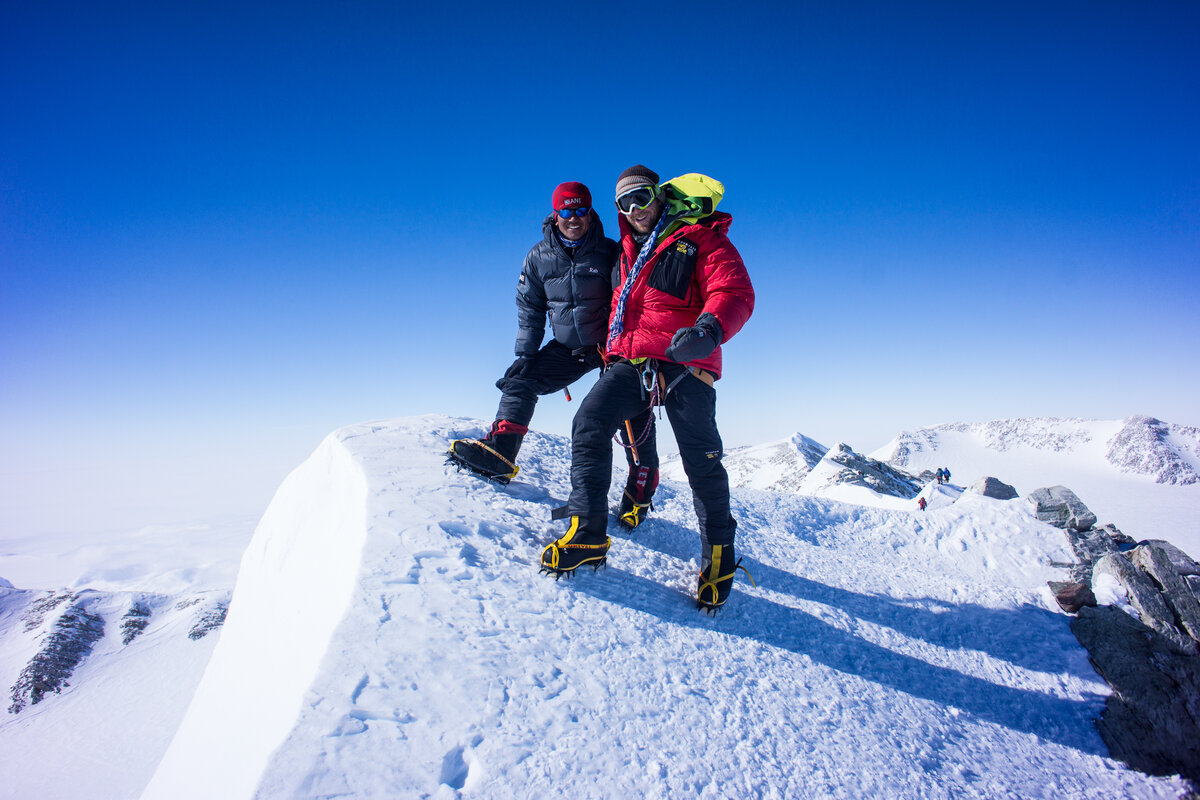
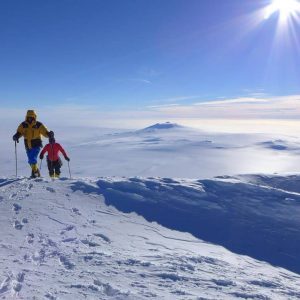
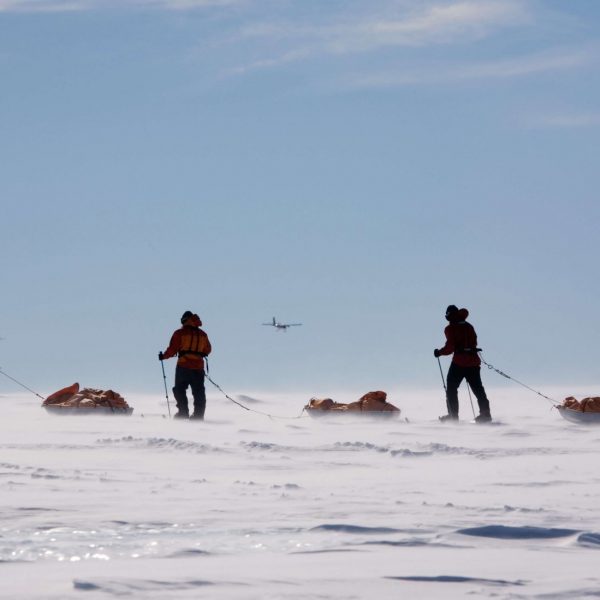
Imagine yourself on the summit of Mount Vinson, at 16,050 ft (4892m) the highest peak in Antarctica and one of the coveted Seven Summits. Before you the world falls away pristine and untrammelled. Majestic, snow-covered peaks stand guard over vast glaciers below and, in the distance, snow meets sky along a noticeably curved horizon.
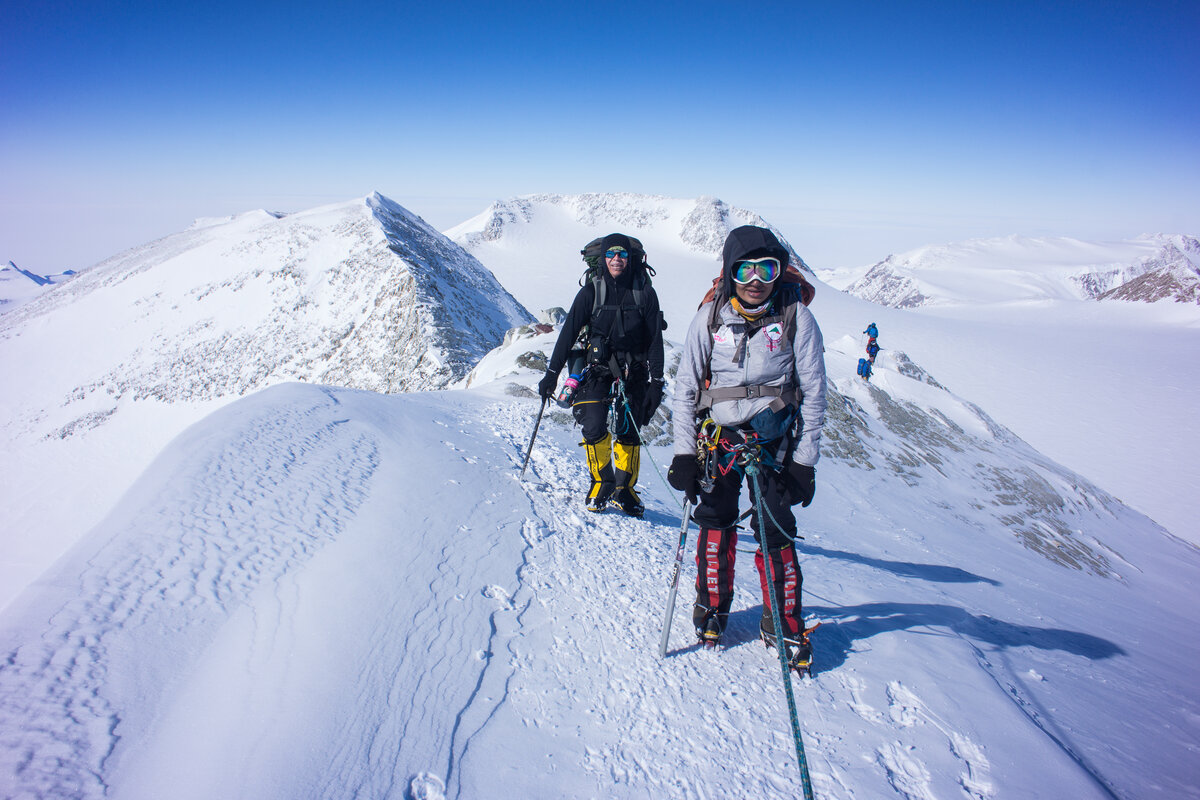
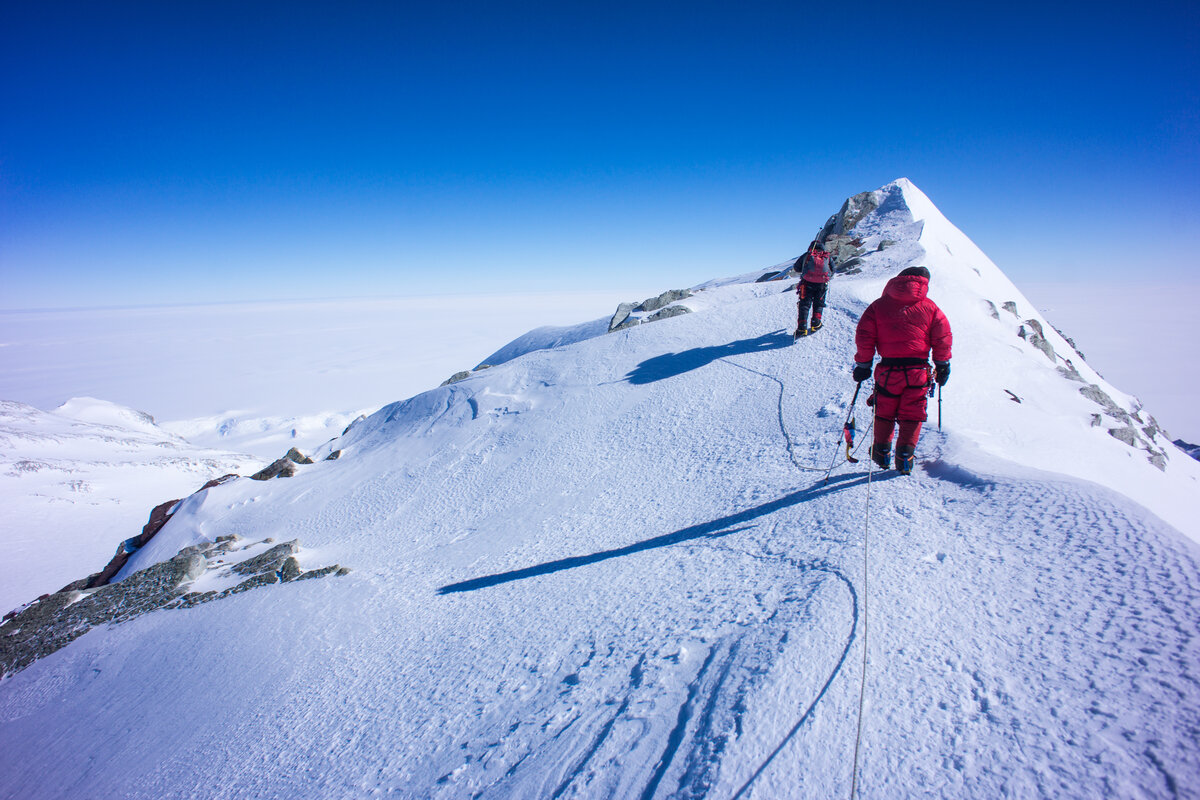
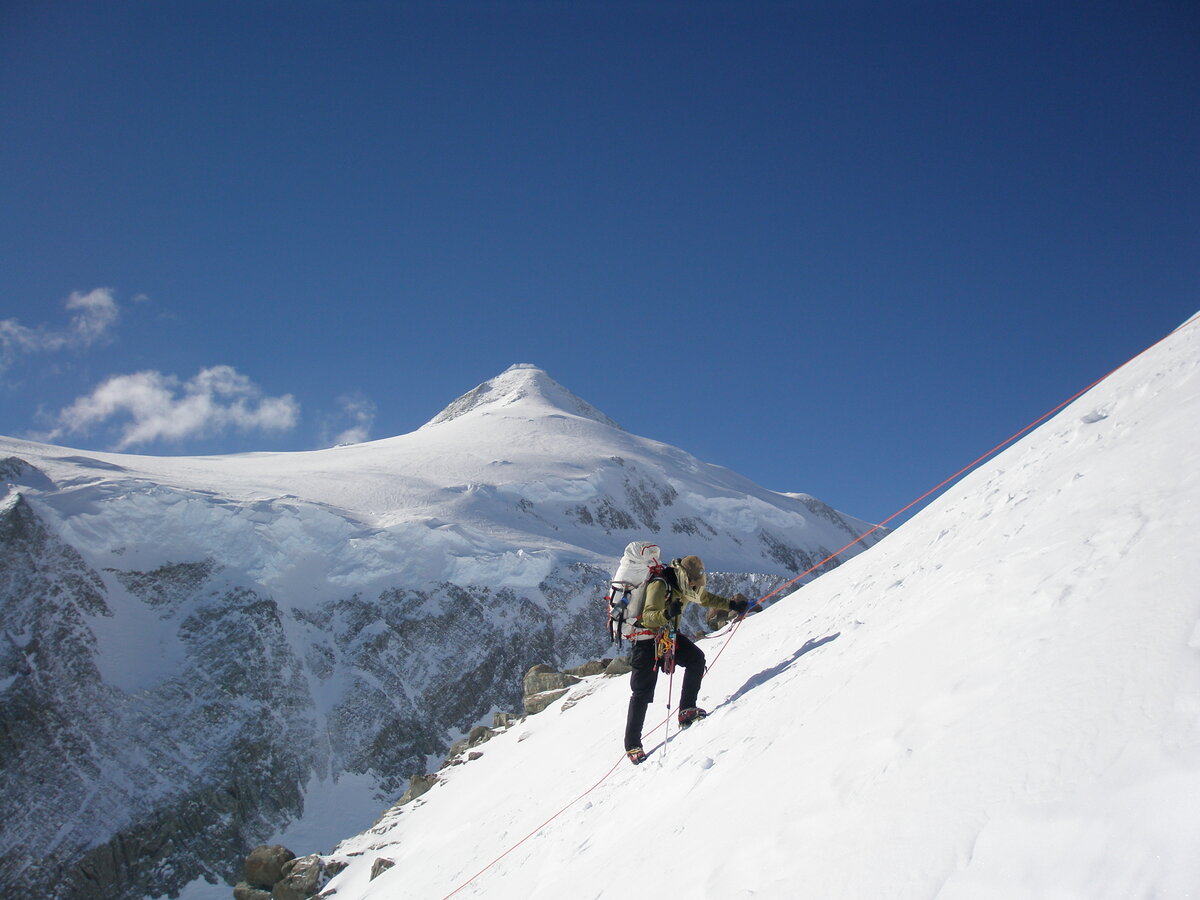
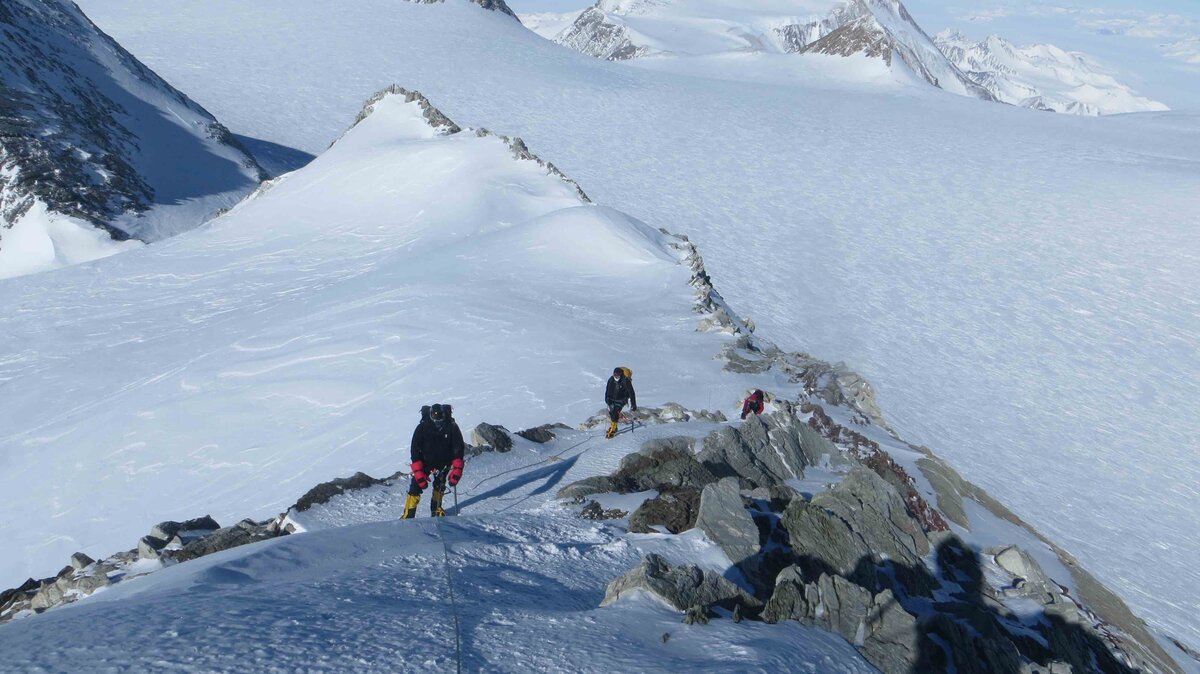
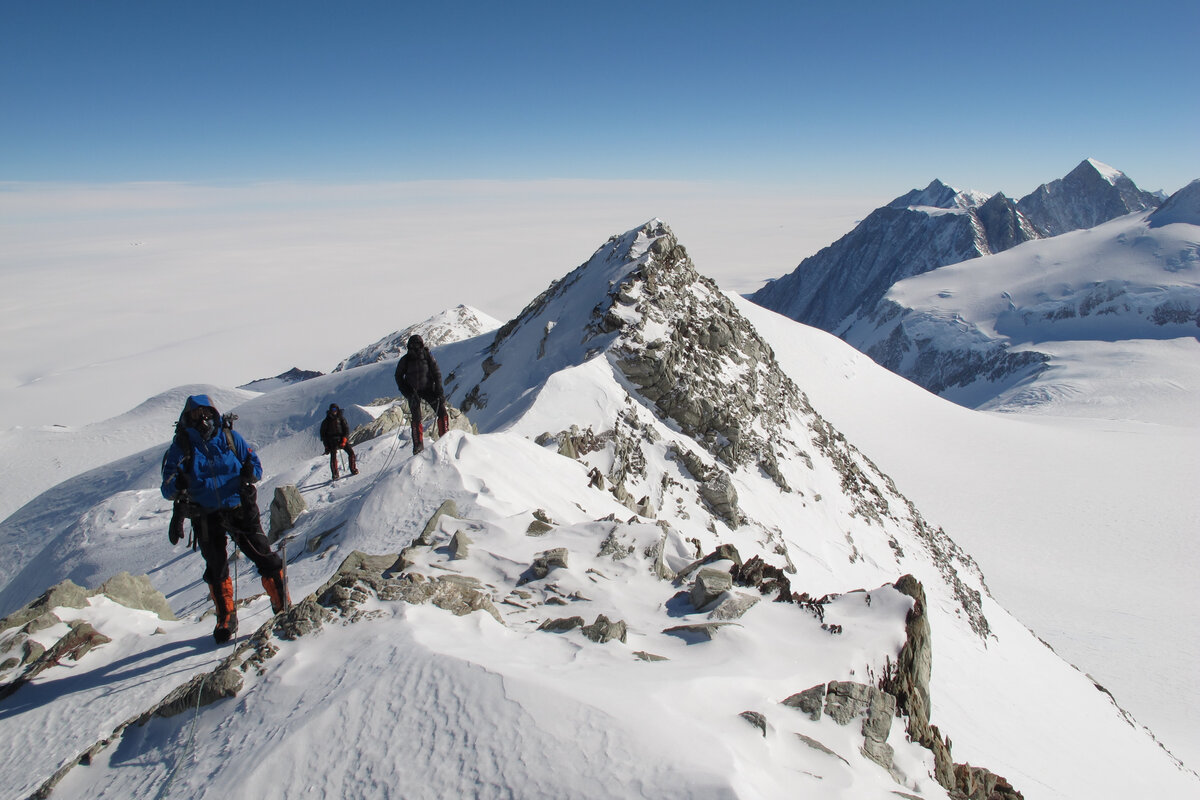
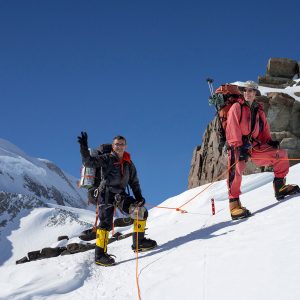
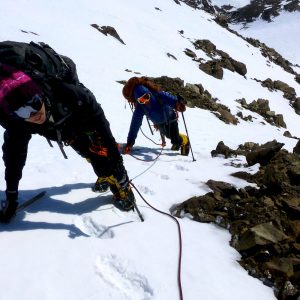
To climb Mount Vinson is to challenge yourself on a mountain like no other and to stand atop Antarctica, the least explored continent on Earth. We ascend the Standard Route climbing gentle glaciers, 45° snow slopes, an exposed high plateau and spectacular summit ridge. The rate of ascent and daily climbing plan set by your experienced mountain guide will be geared toward the safety and success of your climb. At the summit the fierce winds, biting cold, storms and delays provide a backdrop that only highlights the vast beauty before you and the sense of accomplishment that comes from achieving the extraordinary.
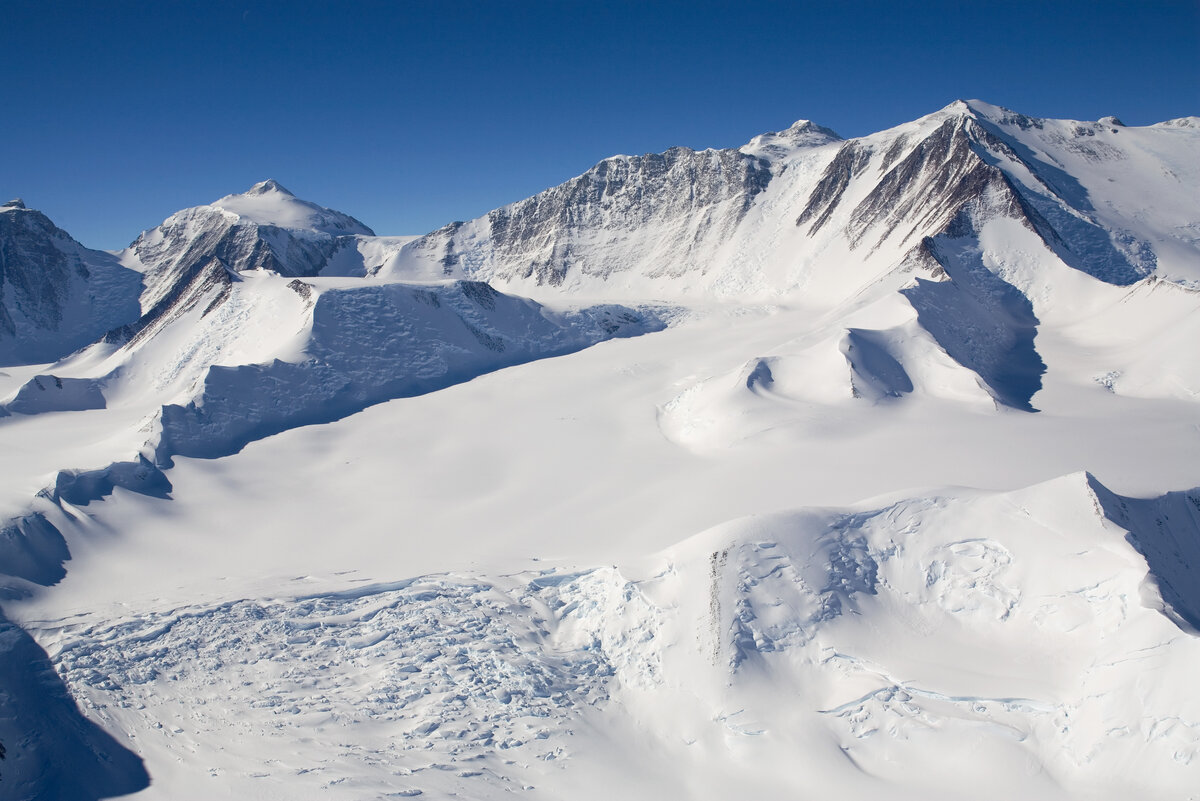
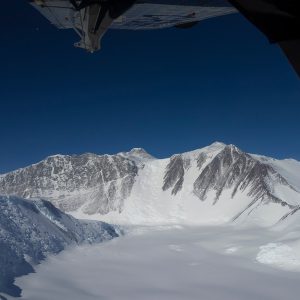
Mount Vinson lies in the aptly named Sentinel Range of the Ellsworth Mountains, deep in the interior of Antarctica. It was first summitted on 18 December 1966 and for many years did not see a second ascent due to the logistical challenges of access. In 1985 ANI put logistics in place to support a private expedition to Mount Vinson, opening the door to private travel in the interior of Antarctica. More than 25 years later, Mount Vinson is still one of ANI's most popular Experiences!
Accommodations
Vinson Base Camp
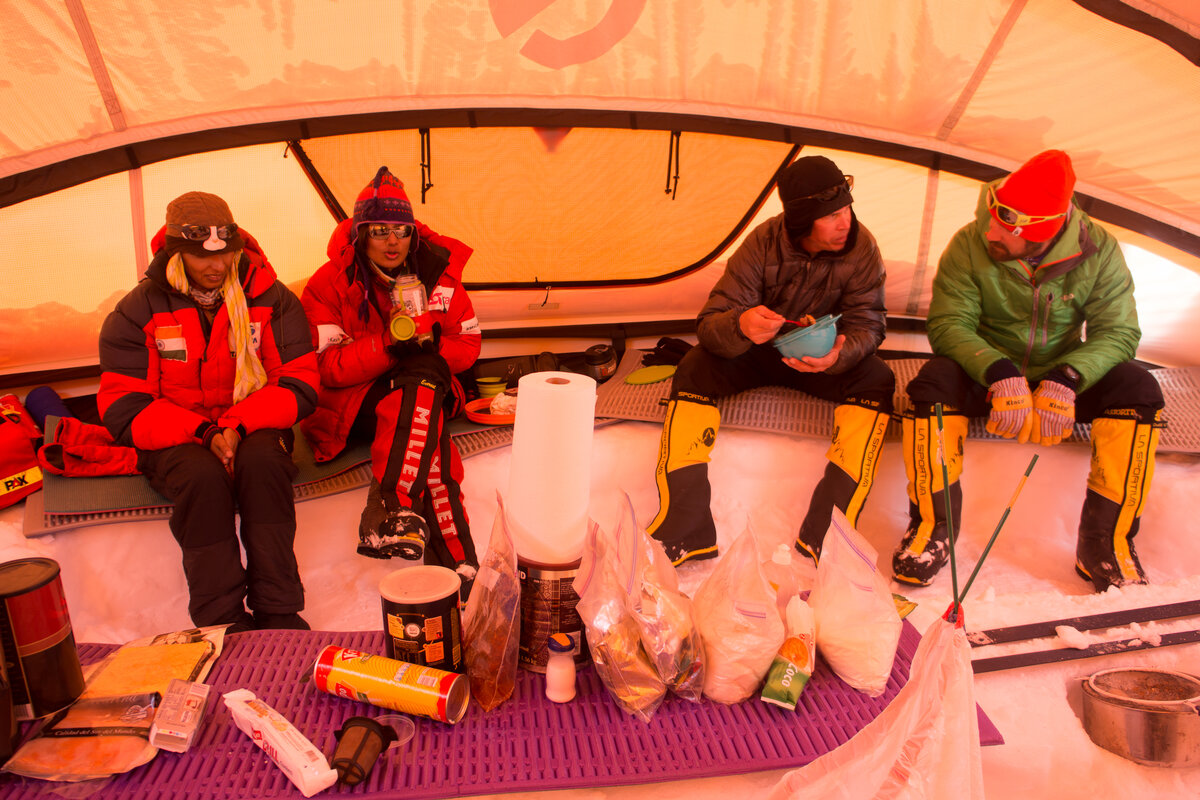
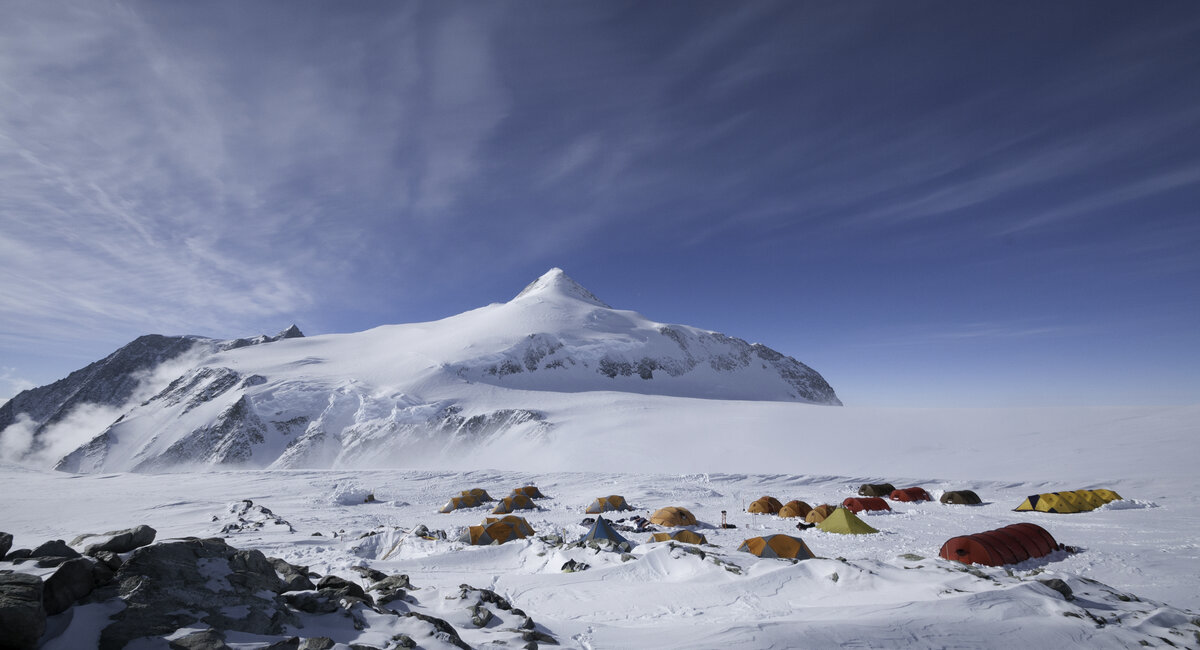
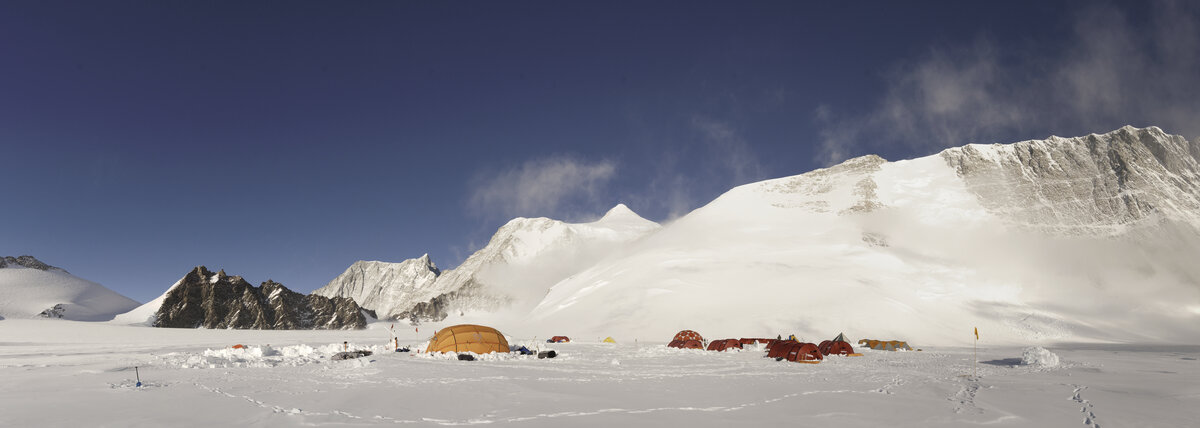
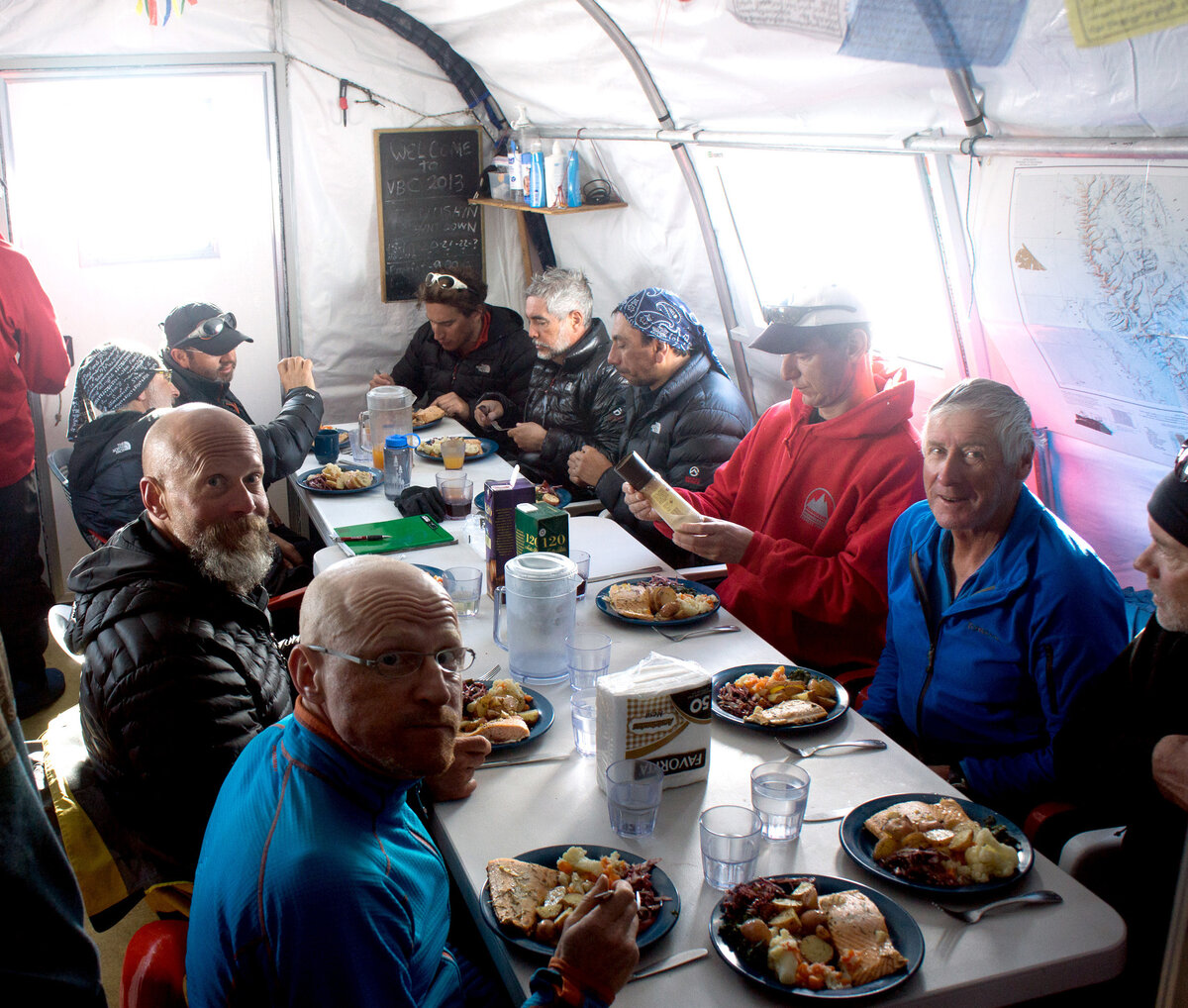
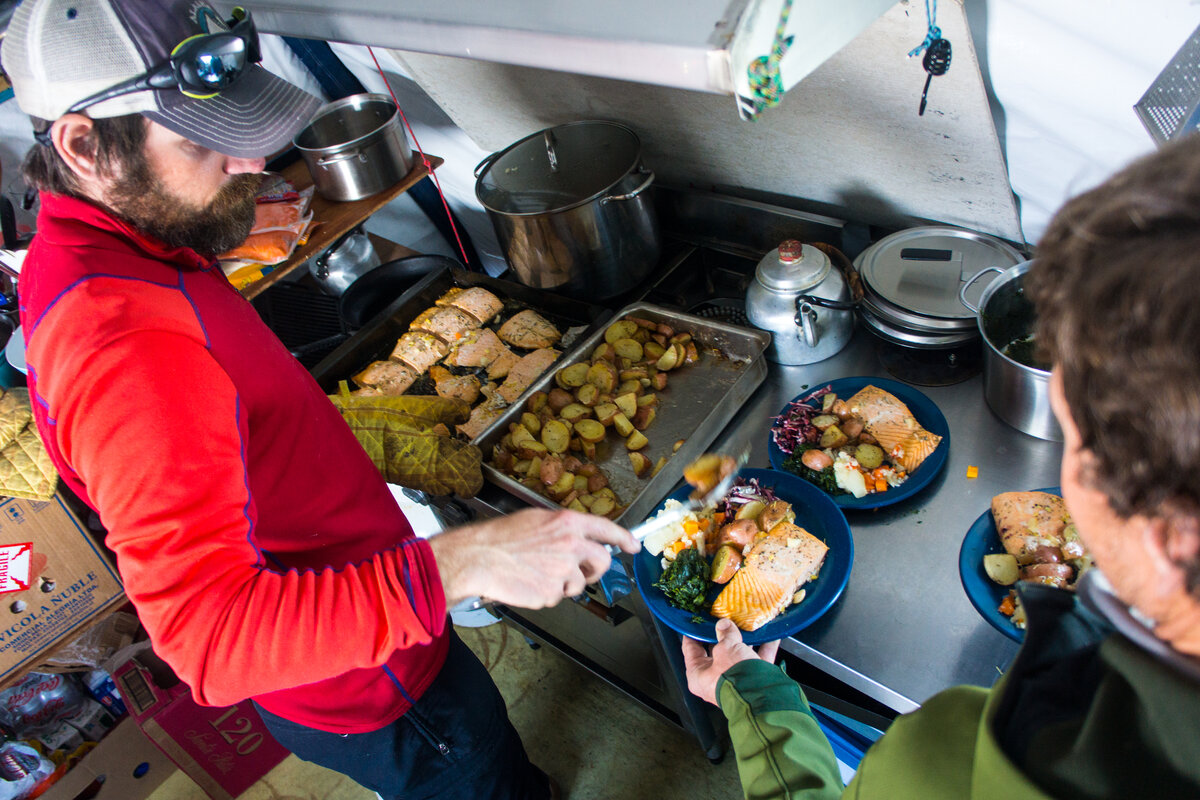
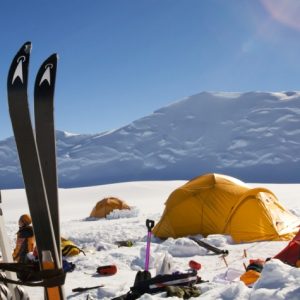
Vinson climbers will continue on to our cozy Vinson Base Camp on the Branscomb Glacier. Fresh-cooked meals are served in a heated dining tent, where you can also relax and enjoy conversation or a game of cards. You sleep in mountaineering tents nearby.
Union Glacier Camp
The atmosphere is relaxed and welcoming at our main Antarctic camp at Union Glacier. You’ll find roomy, double occupancy sleeping tents; a spacious dining hall; fresh delicious meals; and a spectacular setting. You’ll be surprised how comfortable Antarctica can be! Our full-service camp is designed for Antarctic conditions and with best environmental practices in mind. It operates during the Antarctic summer (November through January) and is dismantled at the end of each season.
Field Camps
Our Emperor Penguin, ski expedition, and other field camps are more basic. Equipment must be lightweight and portable, yet still strong enough to withstand Antarctic conditions. We sleep in mountaineering-style tents and eat a combination of fresh-frozen meals, prepared by our chefs at Union Glacier; and de-hydrated meals.
Activity Level
Extremely Strenuous
Extremely strenuous trips include skiing and climbing expeditions in the most remote corners of Antarctica, where physiological altitude may exceed 11,000 feet (3350m) for many days in a row, and temperatures may drop below (–40°F / –40°C), with severe wind chill and storms. You will be active for 8-12 hours a day carrying or hauling heavy loads for many days in a row. You must have the physical ability to cover a minimum daily distance and the mental stamina to continue in extreme conditions when you are physically tired. Technical skill, a high level of strength and aerobic fitness, and commitment to a dedicated pre-trip training program are required.

| Trip Code | To Antarctica | From Antarctica | Duration | Price (US$) * | Availability |
|---|---|---|---|---|---|
| V1 | Nov 23 2013 | Dec 5 2013 | 13 days | $39,900 | Available |
| V2 | Dec 5 2013 | Dec 17 2013 | 13 days | $39,900 | Available |
| V3 | Dec 17 2013 | Dec 29 2013 | 13 days | $39,900 | Available |
| V4 | Dec 29 2013 | Jan 10 2014 | 13 days | $39,900 | Available |
| V4Ski** | Dec 29 2013 | Jan 10 2014 | 13 days | $39,900 | Available |
| V5 | Jan 10 2014 | Jan 22 2014 | 13 days | $39,900 | Available |
Dates & Rates Notes
** Ski ascent of Mount Vinson for experienced skiers.
* We reserve the right to revise our prices in the event of significant changes in the price of aviation kerosene and aircraft charter rates.
What's Included
ALL ANI Experiences include:
- Transfers to and from Punta Arenas airport, Chile
- Briefing with refreshments in Punta Arenas one day prior to departure
- Round trip flights from Punta Arenas to Antarctica
- All flights within Antarctica as shown in your itinerary
- Meals and accommodation while in Antarctica
- Expedition Guide(s) (and naturalist or lecturer on some Experiences)
- Use of recreational equipment at Union Glacier Camp
- Official and personalised ANI Certificate of Achievement
- A Baggage allowance of up to 55lbs (25kg) on Punta Arenas-Union Glacier flight
(Baggage allowance of up to 66lb (30kg) for Ski South Pole Hercules Inlet, Messner and Footsteps of Amundsen Expeditions)
SOME Experiences include:
- Group camping equipment (when travelling beyond Union Glacier Camp)
- Group climbing equipment (climbing expeditions)
- Sled, harness, ski pole pogies (all ski expeditions)
- Skis, ski skins, ski poles (Ski Last Degree)
Experiences DO NOT include:
- Commercial flights to and from Punta Arenas
- Flights within Antarctica, other than those shown in itinerary
- Meals and accommodation in Punta Arenas
- Airport transfers other than in Punta Arenas
- Personal equipment and clothing (polar clothing is available for rent from ANI for some Experiences)
- Expenses incurred in Punta Arenas due to delays
- Any excess baggage costs over confirmed baggage allowance
- Cost for the use of satellite phone whilst in Antarctica
- Insurance coverage – personal, medical, evacuation or otherwise
Day 1 Fly to Antarctica
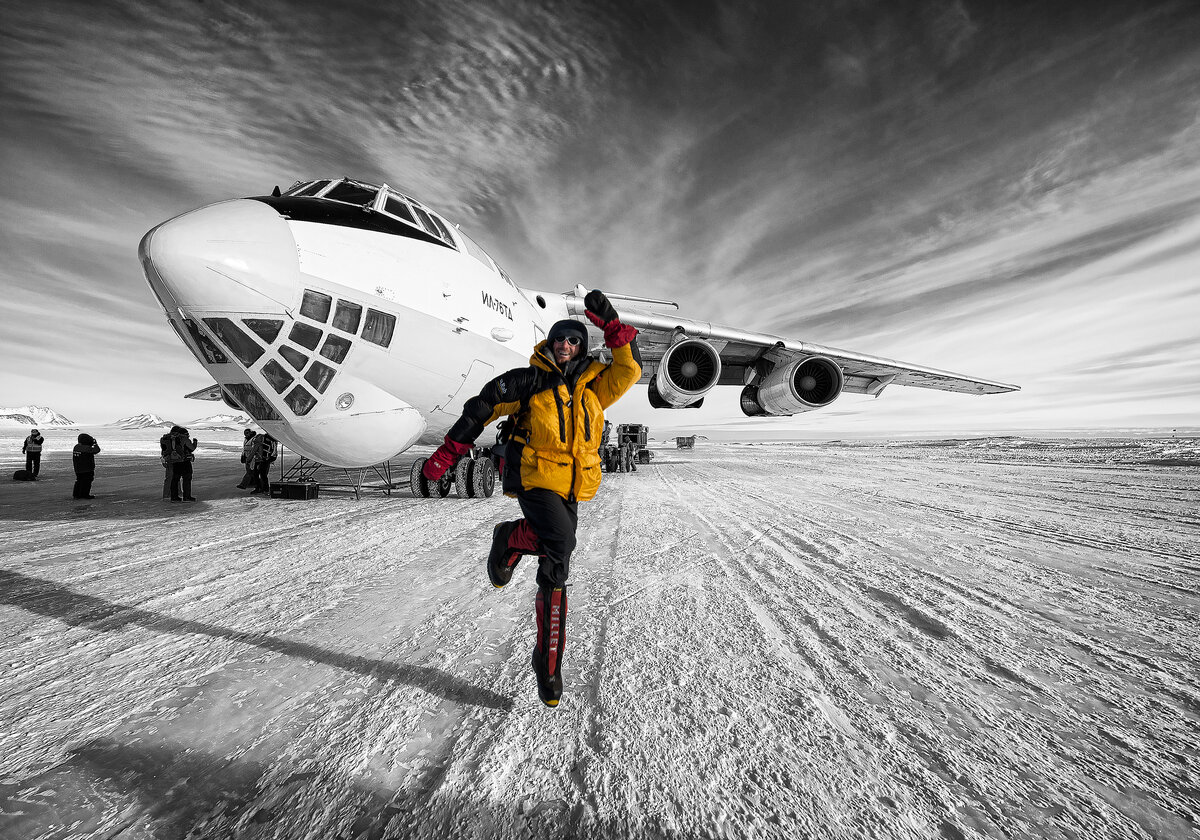
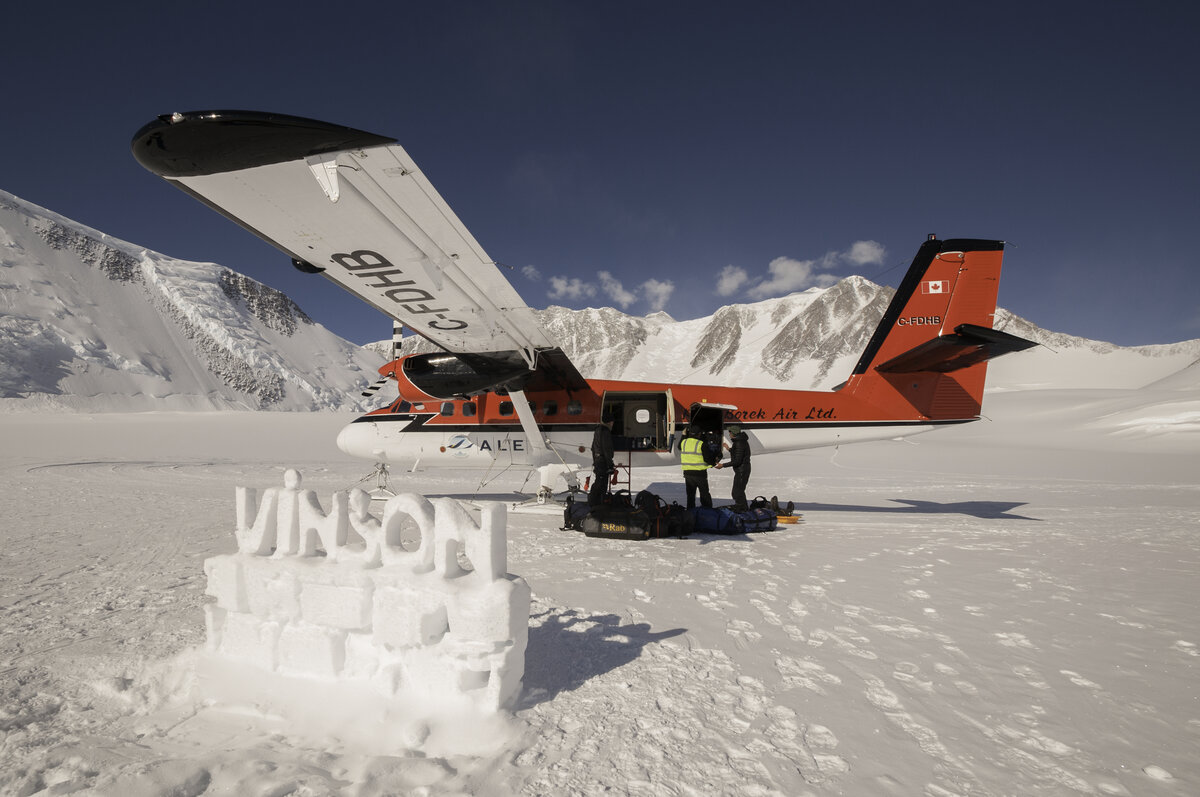
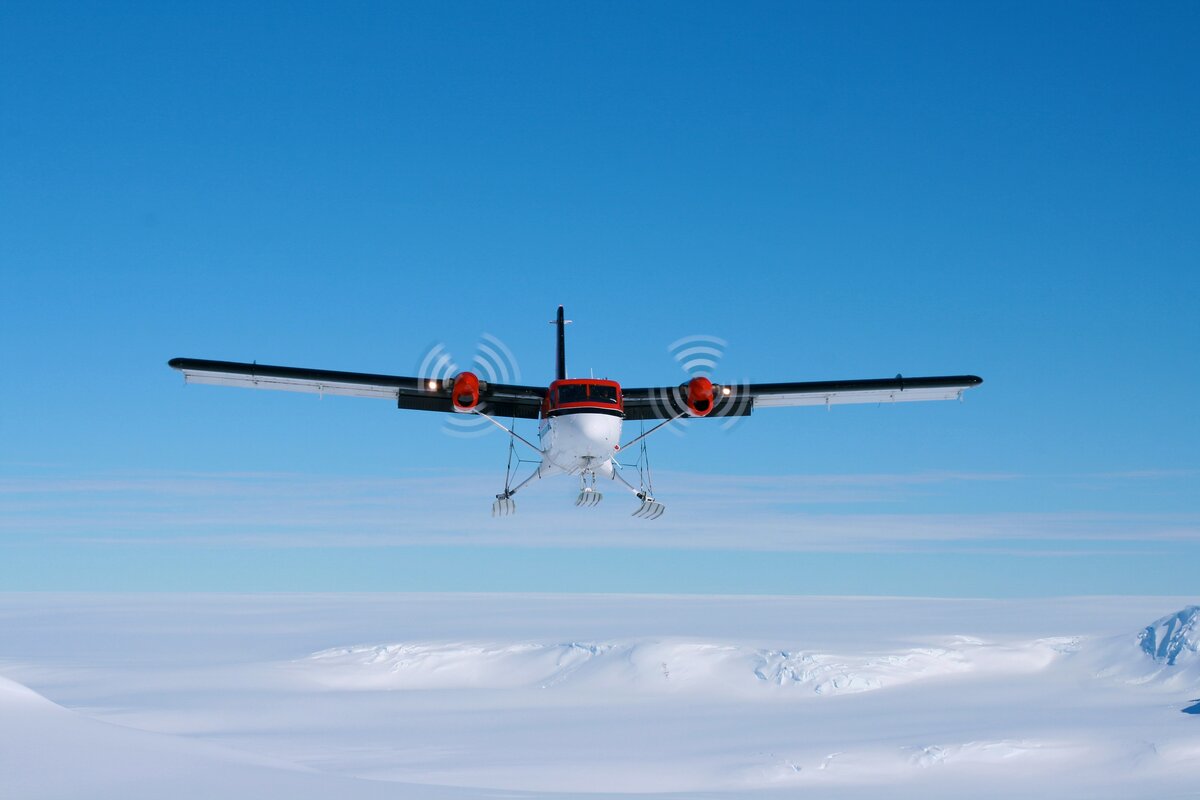
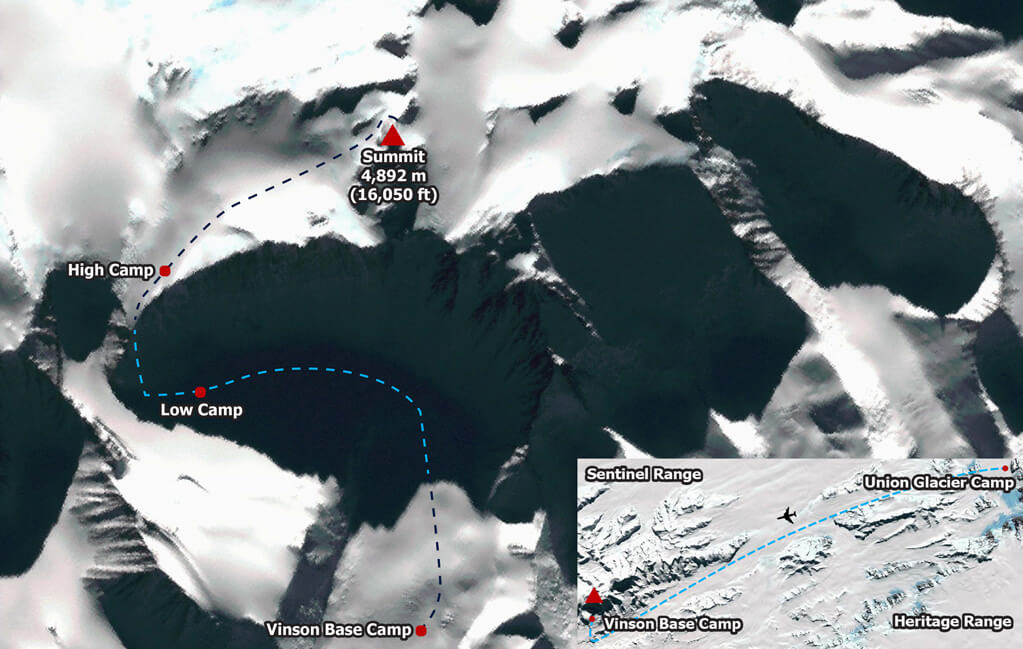
Depart Punta Arenas Chile. Fly 4 ¼ hrs to Antarctica by private transport jet. Transfer to ski aircraft and continue to Vinson Base Camp at 6,900 ft (2100m) on the Branscomb Glacier.
The Climb
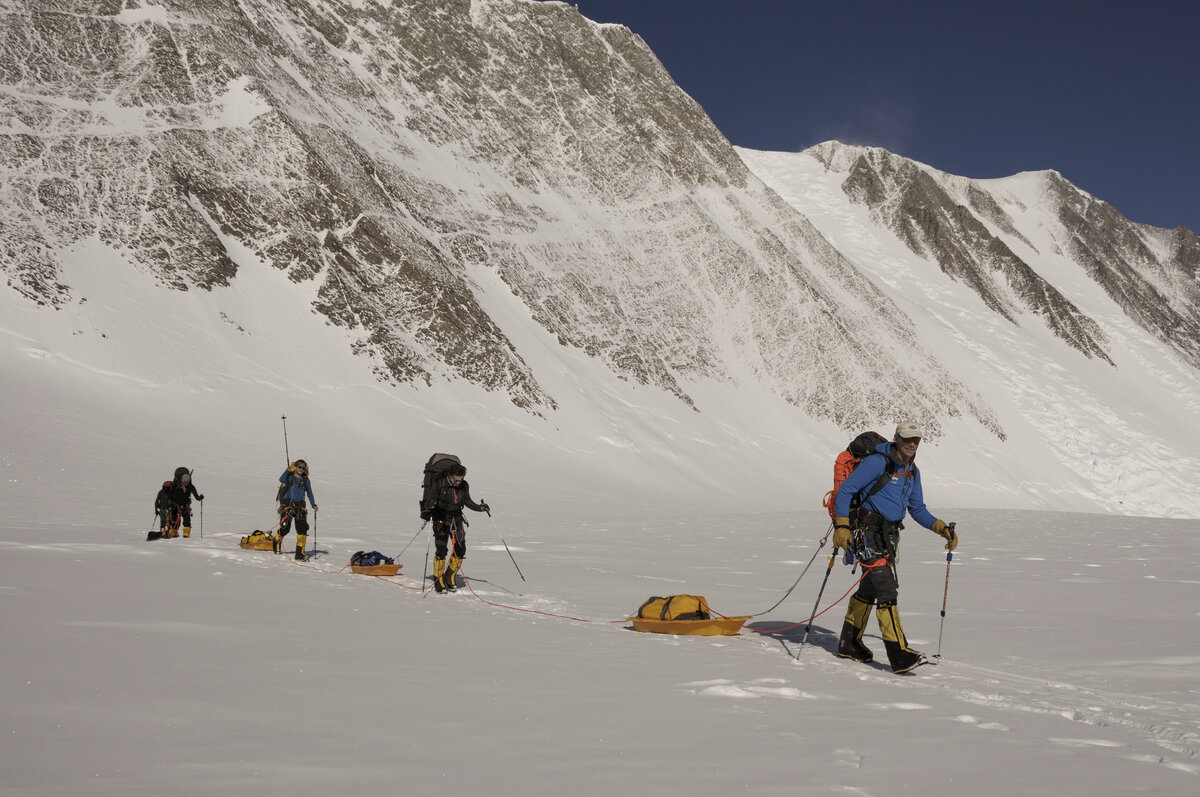
We will ascend Vinson using the “standard route”. This usually takes from 5-9 days depending on weather conditions and how quickly team members acclimatize. Most groups set two intermediate camps on the mountain prior to attempting the summit. Our rate of ascent and daily climbing plan will be set by our guide to reflect mountain realities and group strengths and will be geared toward the safety and success of our climb. Our climb will be a team effort with each person carrying his or her own personal equipment as well as a share of group gear, food and fuel. At the end of each day, team members will help pitch camp.
Day 2 Acclimatization and Preparations
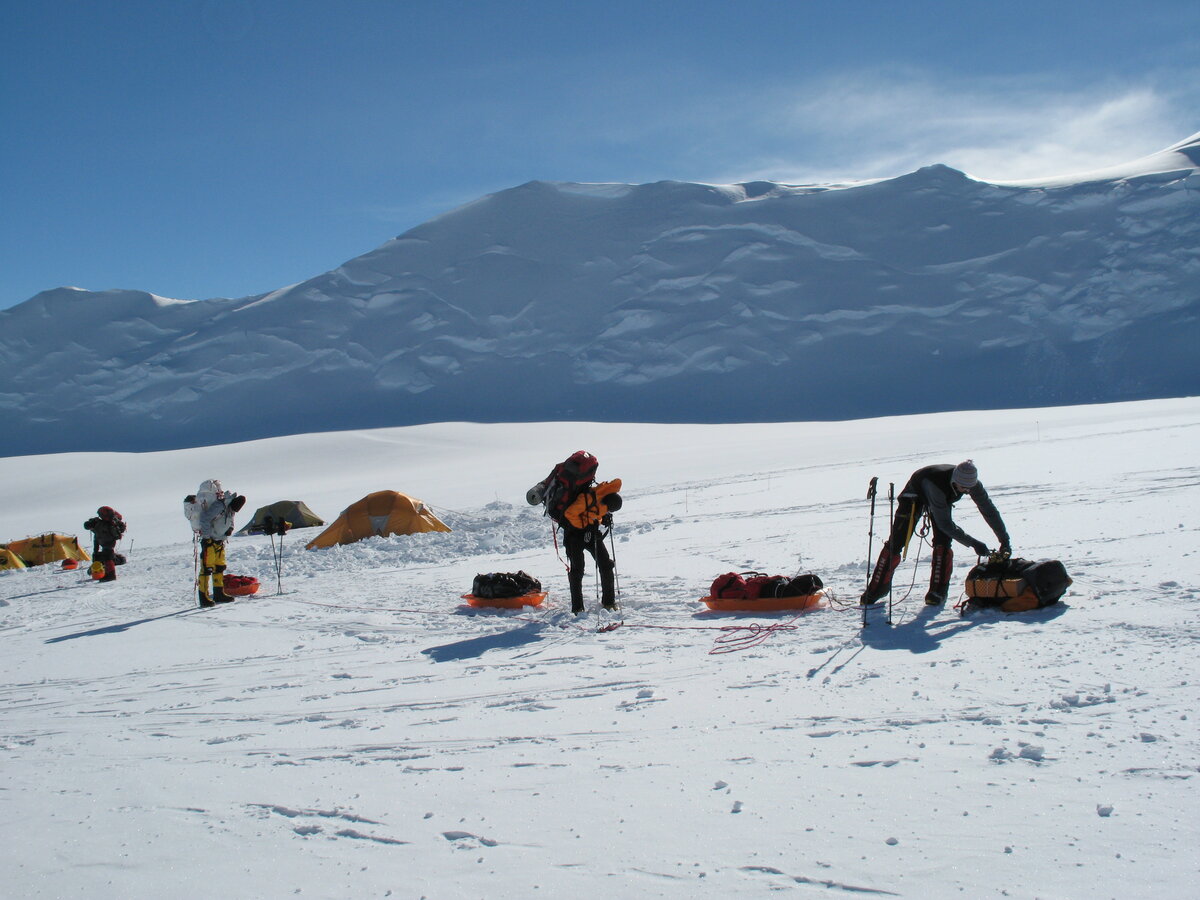
This is a day to relax and recover after several days of travel. In the quiet surroundings of Vinson Base Camp we can appreciate the beauty of Antarctica while preparing for our climb. We will load our sleds for the days ahead and, if time allows, we will take a short hike to gain familiarity with the Antarctic environment and to refine our clothing and equipment choices for the climb.
Day 3-4 Vinson Base Camp to Low Camp
2,150 ft (650 m) of elevation gain, 5 1/2 miles (9 km) of distance, 4-6 hours travel
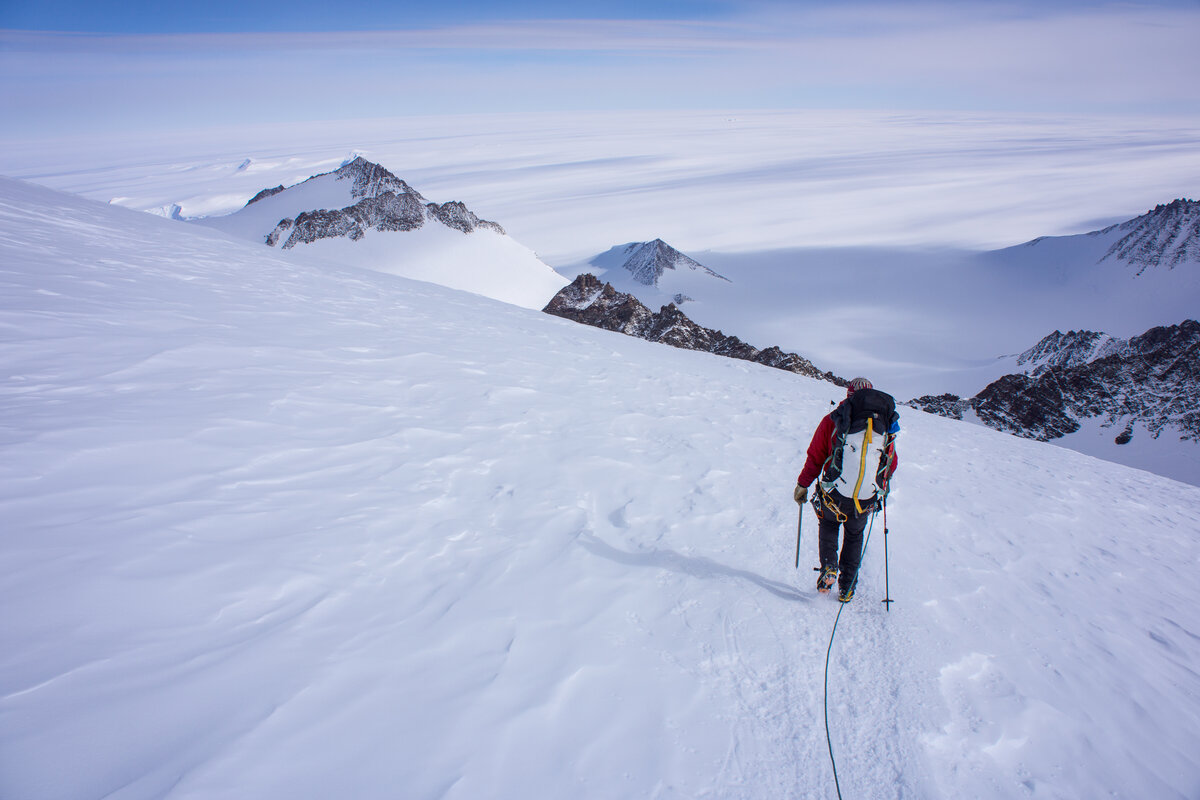
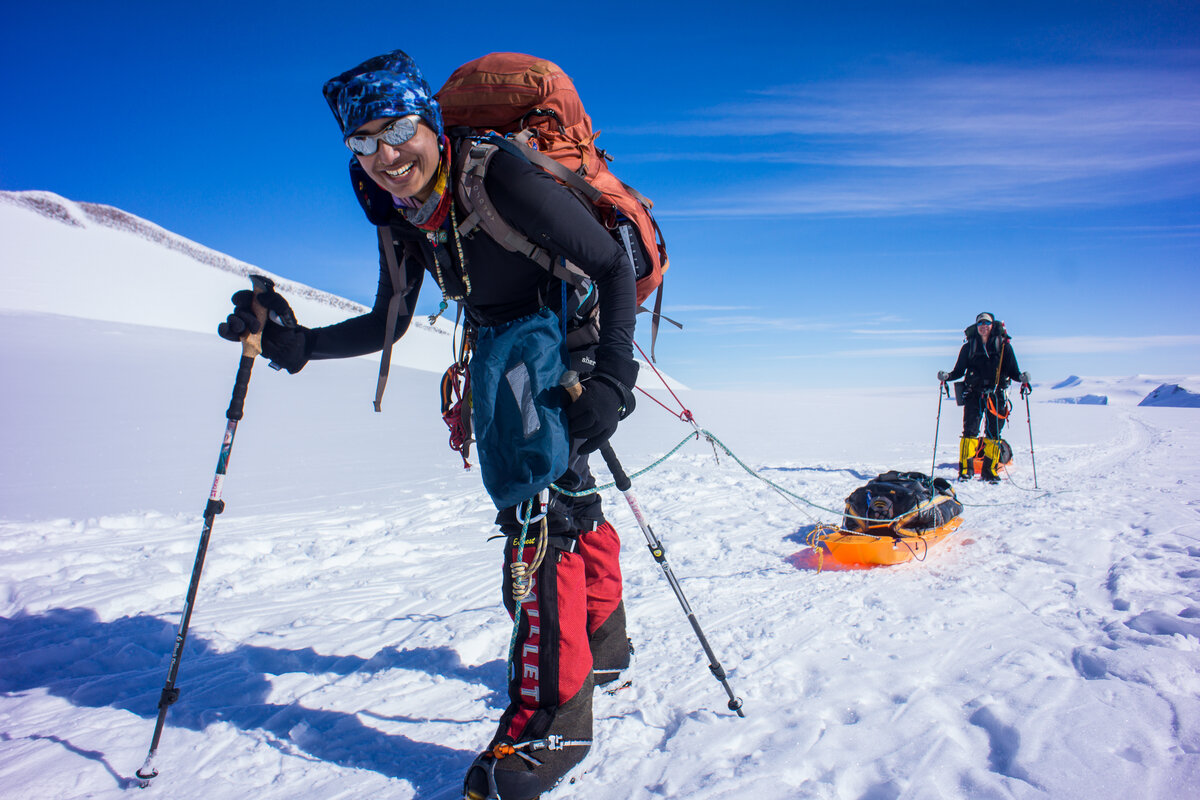
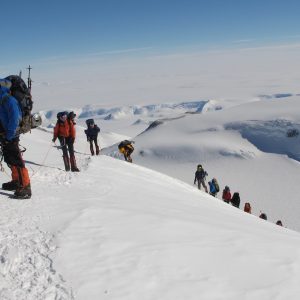
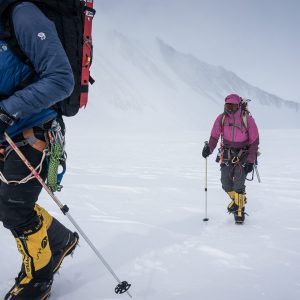
From Vinson Base Camp to Low Camp we follow the gradual rise of the Branscomb Glacier. The gentle climb is ideal for pulling sleds allowing us to lighten the loads in our packs. Due to crevasse hazard, we will travel roped together today and throughout our time on the mountain. At Low Camp (elevation 9000 ft/2750 m) the guides build a cooking/dining shelter for our group. Depending on conditions, we may overnight here or cache equipment and return to Vinson Base Camp. The following day we will re-ascend from Vinson Base Camp, acclimatize at Low Camp, or continue our climb up the mountain.
Day 5 - 7 Low to High Camp
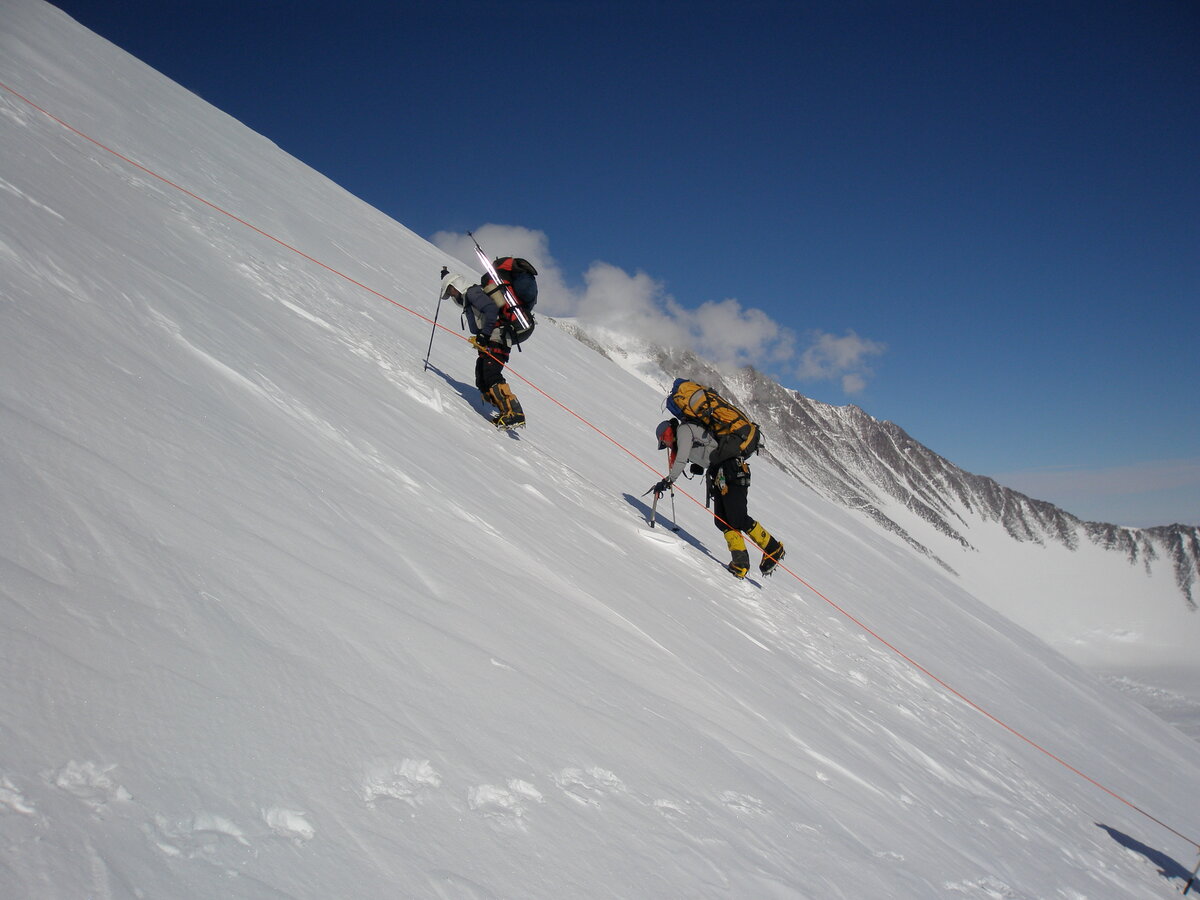
3,350 ft (1020 m) of elevation gain, fixed ropes on slopes up to 45°, approximately 6-8 hours travel
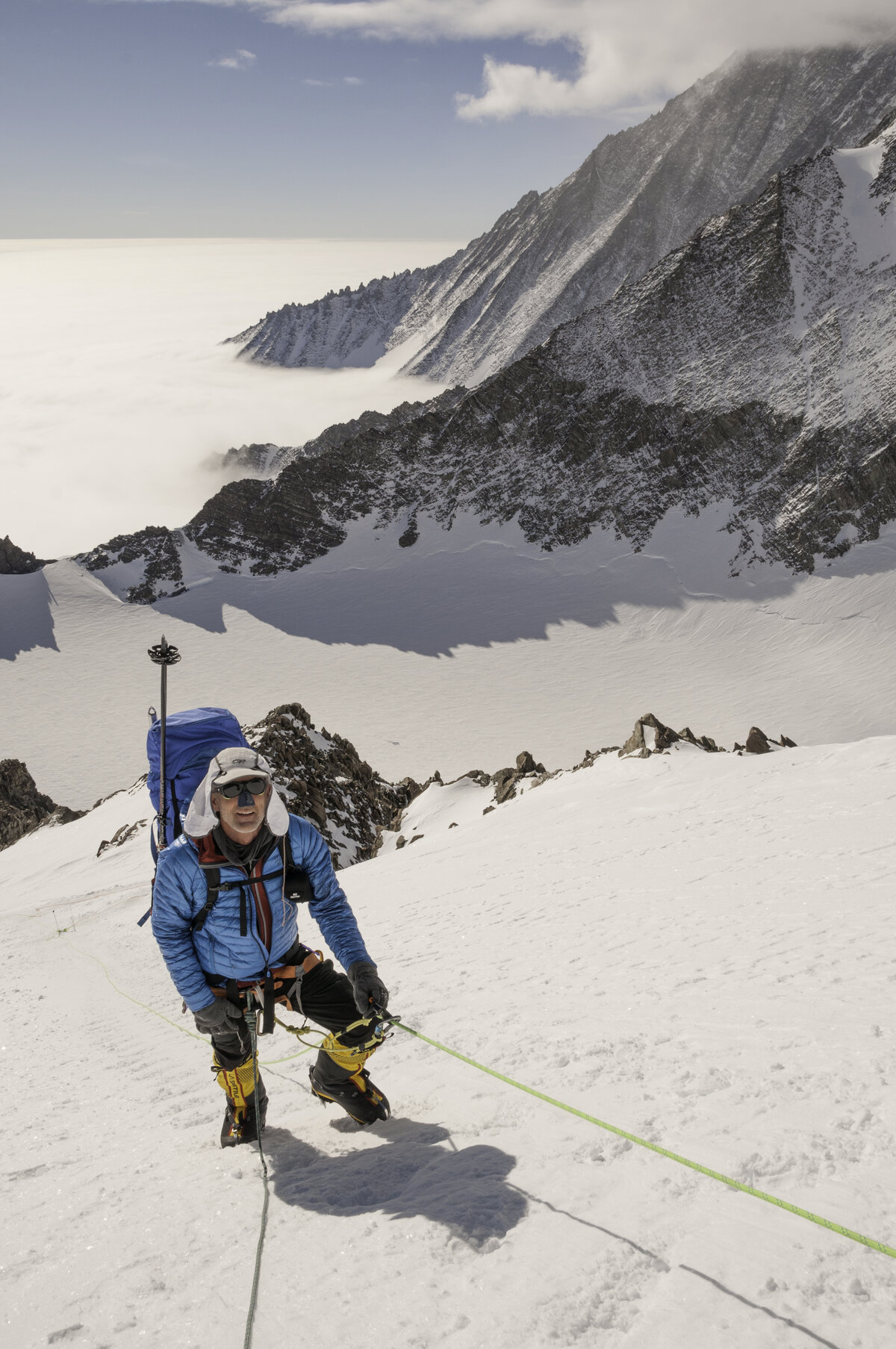
We ascend to High Camp (12,400 ft/3770 m) when conditions are suitable and the forecast indicates stable weather ahead. We may carry all of our equipment in one push, or we may choose a ‘load carry’, overnighting back at Low Camp and re-ascending the next day with lighter loads. These choices will depend on weather and group fitness.
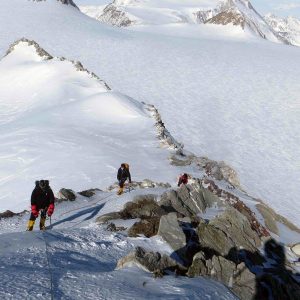
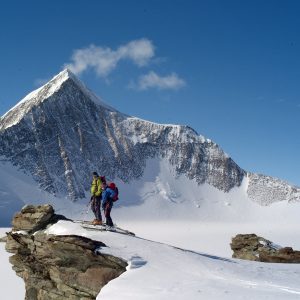
Our route takes us up the broad mixed spur at the northern end of the Branscomb Ridge, offering fantastic views of Mount Shinn and the glaciers below. We ascend fixed ropes on snow slopes up to 35/40°. Snow conditions can vary from soft to hard and windblown with icy patches. From the top of the fixed lines to High Camp takes about 1 1/2 hours, ascending the gentle snow slopes of the summit glacier. This section of the route can be very exposed to the wind, requiring care to prevent cold injury.
The facilities at High Camp are more basic than at camps below. We cook and eat simple, dehydrated meals in our tents, or outside if the weather is calm. Our next day is normally spent resting and acclimatizing at High Camp to give everyone the best chance of summiting.
Day 8 - 10 High Camp to Vinson Summit
Return trip from High Camp — 3670 ft (1120 m) elevation gain, 9 miles (14 km) distance, 9-12 hours travel
We make our summit attempt on the best weather day possible as the route is exposed and subject to high winds. The majority of the route is along the Vinson summit valley, with a short, steeper snow and ice slope leading to the spectacular, rocky, summit ridge. The views from the summit are breathtaking. Mount Gardner, Tyree, Epperly and Shinn dominate the foreground, surrounded by impressive peaks that rise from the vast ice sheet below. Here, at the top of Antarctica, the true scale and majesty of the continent are overwhelmingly apparent. We will take time to savor the experience and take photos, before retracing our steps to High Camp.
Day 11 Descent to Vinson Base Camp
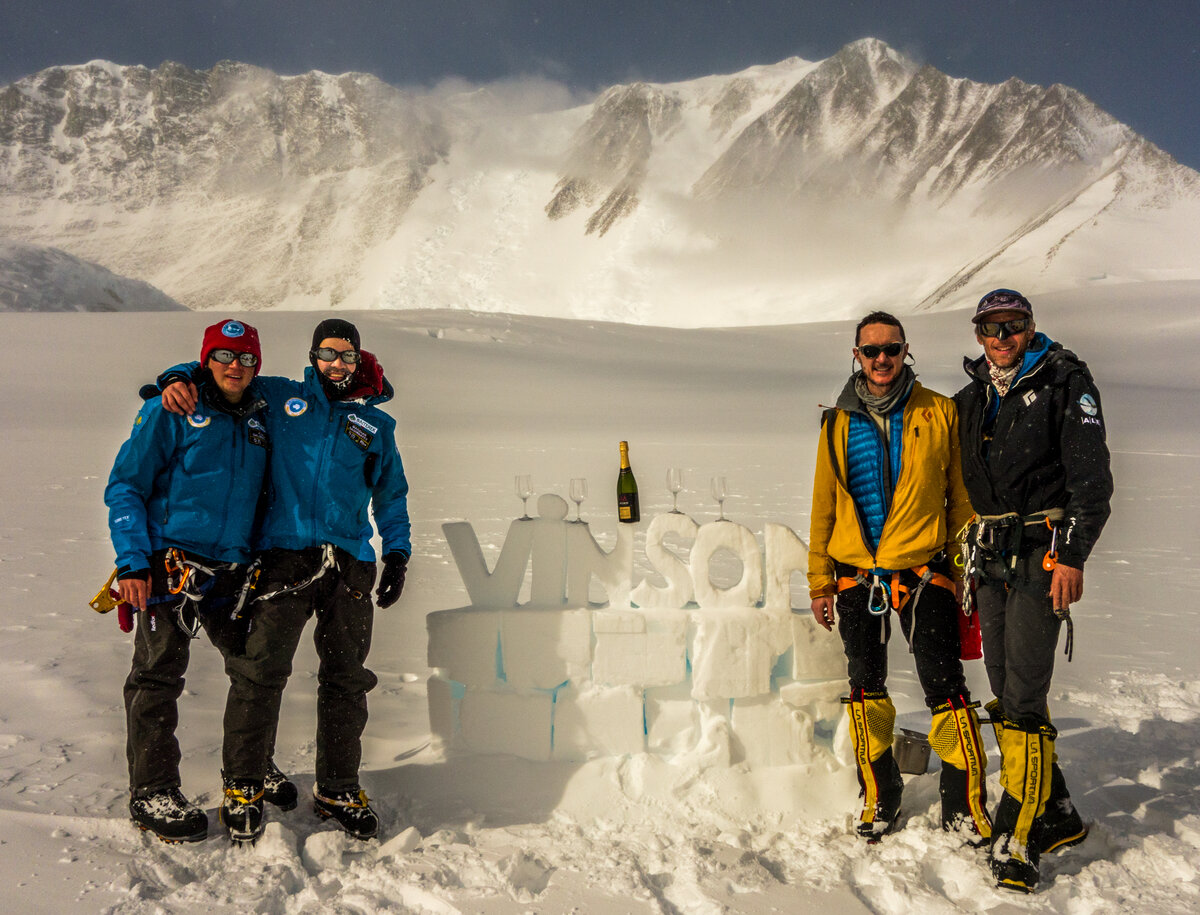
The descent to Vinson Base Camp is usually achieved in one day from High Camp, re-tracing our route down the fixed ropes and along the Branscomb Glacier. At Vinson Base Camp we celebrate our summit with a hearty meal and a toast to our team.
Day 12 Return to Main ANI Camp
Return to Union Glacier by ski aircraft. At Union Glacier Camp you will enjoy meals prepared by our professional chefs served in our dining tent. There will be opportunities to meet and trade stories with other adventurers and, if conditions allow, to climb and explore the scenic peaks nearby camp.
Day 13* Return to Punta Arenas, Chile
The aircraft from Punta Arenas will arrive with a new collection of avid explorers and you depart for the final leg of your Antarctic experience. Our ANI staff will meet you at Punta Arenas airport and transfer you to your hotel.
*Schedule
No two Antarctic experiences are exactly the same. This is part of the excitement and adventure of Antarctic travel. The itinerary above highlights typical activities and experiences. Exact timeline and details will vary from trip to trip. Trip length may vary by departure.
Please anticipate delays and do not plan anything for at least a week after your scheduled return. Allow yourself to enjoy this unique experience without the stress of pending commitments.
Here are some of the most frequently asked questions regarding this Experience. More FAQ's can be found on our Frequently Asked Questions page.
Weather and Environment
Will it be cold?
All of our journeys take place in the Antarctic summer (November through January) when the weather is at its best. We advise on suitable clothing so that you can enjoy your trip to the fullest.
The interior of Antarctica has a cold, dry, windy climate. Average mid-season temperatures at our base camp range from 10F to 25F (-12C to -4C ). On a sunny windless day it can feel quite warm but, when the wind blows, you will be glad of warm layers and a wind jacket. Temperatures can drop as low as -22F (-30C) in early November.
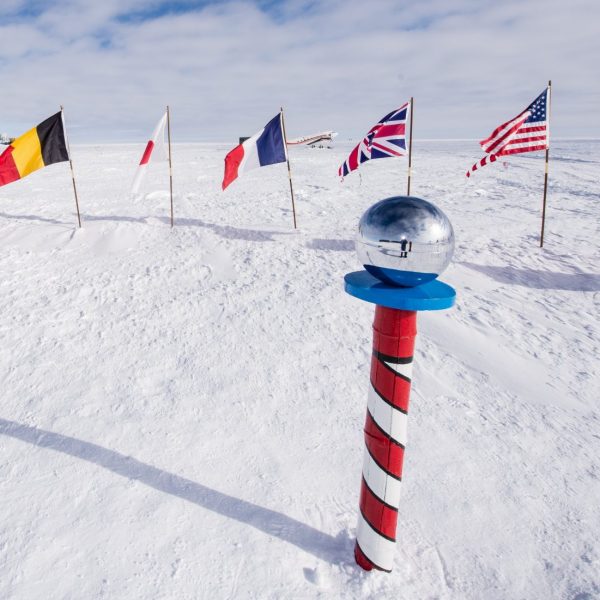
- At the South Pole temperatures rarely climb above -13F (-25C) with light winds and wind chill of -40F (-40C).
- Weather at the Emperor rookery is highly variable and influenced by coastal systems. Temperatures range from
-22F (-30C) to near 32F (0C) with sunny and overcast skies and the possibility of heavy snowstorms. - Mount Vinson climbers and skiers heading to the South Pole should prepare for extreme temperatures -40F (-40C) and severe storms.
Do I need to ski?
The snow around Union Glacier Camp is generally firm and fine for walking. The same is true at the South Pole, Emperor penguin rookery and other fly-in destinations. We have skis for recreational use, but you do not have to ski.
Likewise on Mount Vinson, the snow is usually firm and we do not usually use skis to ascend the mountain. We do however offer the option of a ski ascent for experienced skiers.
Other climbing Experiences may involve skiing to speed up travel on the glaciers. We normally use Alpine Touring (AT) ski equipment. You don’t have to be a good skier, as skiing on flat terrain with AT gear is akin to walking, but those who have some Nordic or downhill experience will obviously find it easier. Guidelines are provided for each Experience.
Safety, Medical and Insurance
Do I need travel insurance?
All ANI guests are required to provide cover for medical evacuation, due to the high cost of evacuation from Antarctica.
We also strongly recommend that you consider Trip Cancellation and Interruption insurance, to protect you in case you need to cancel for any reason. ANI Experiences are non-refundable within 90 days of departure.
Find more information and links to purchase travel insurance on our Travel Insurance pages.
Schedule and Itinerary
Will the itinerary be exactly the same as shown on the website?
Our itineraries are meant as a guide, to give you an idea of the kinds of activities and the flow of each Experience. However no two trips are exactly the same - and that is part of the excitement and adventure of Antarctic travel. Your unique itinerary will be tailored to your interests and abilities, weather conditions and coordination with other groups on the ice. Flight schedules are flexible and you should expect delays due to the unpredictable nature of Antarctic weather, runway conditions and other logistics.
When should I arrive?
For most Experiences we ask that you arrive in Punta Arenas, Chile at least two full days (48 hours) before your scheduled departure. This allows time for clothing and equipment checks and provides a buffer in case you should miss a flight connection or have lost luggage. An environmental and logistics briefing will be held at 10am on the morning prior to departure. We will collect your luggage and load the aircraft that afternoon, ready for departure.
Guests on longer ski traverses should arrive at least four full days prior to departure. We will spend the additional two days getting to know the team, reviewing expedition plans, making any last minute adjustments to equipment and finally packing our sleds ready for departure.
Please note that we cannot hold Antarctic flights for guests who are delayed arriving or who have lost luggage. We recommend that you give yourself plenty of time to enjoy your trip, without the stress of tight timelines.
Clothing and Equipment
I'm not sure I have the correct equipment?
We provide detailed clothing and equipment lists for all of our Experiences. If you still have questions after reading our equipment lists and overview just drop us a line and we will be more than happy to help.
Booking and Payment Information
I'm ready to book. What do I do?
Please email or call our office to confirm availablity on your chosen Experience and departure. We will ask you to fill out a medical form (and resume of experience for climbing and ski expeditions). Please fill these forms out completely and honestly. If we have any questions or concerns, we will work with you to resolve them. Once these have been approved, we will ask you send a deposit of $US 5000 to confirm your reservation.
Climbing Expeditions
Will I have to carry a heavy pack?
Mount Vinson, Mount Sidley
Expect to carry an expedition pack weighing up to 55 lb (25kg) with personal and group equipment, food and fuel.
Climb Antarctica
Not if you don’t want to. The flexible itinerary means you can do day trips from Union Glacier Camp or a satellite camp. However, all guests are expected to carry a small daypack containing their camera, warm jacket, spare gloves and food and drink for the day.
Skills and Experience
Although Vinson is not technically difficult, it is a serious mountain due to its elevation 16050 ft (4892m), latitude (79°S), cold –25F (-30C) and remoteness.
You should have experience with multi-day peaks, climbing at altitude >14,000 ft (4300m), movement on snow and ice and use of fixed ascenders, as well as knowledge of glacier travel and crevasse rescue procedures. You should expect to carry an expedition pack, containing personal and group equipment, food and fuel, throughout the climb.
All participants are asked to submit a resume of their mountaineering experience so that we can match you with compatible team members, tailor the climb to your skills and experience, and make suggestions for further training.


ANI’s mission is to set the highest possible environmental standards and to use best practices. We believe in responsible and sustainable tourism where our guests leave Antarctica with a greater appreciation of its remarkable natural values.