Mount Sidley—Volcanic Seven Summits
Climb in one of the least travelled corners of Antarctica and experience mountaineering at its most exploratory
Do you dream of the unexplored and crave the extraordinary? This is the ultimate - a mountaineering expedition to Mount Sidley 14,058 ft (4285m), Antarctica's highest volcano.
Sidley is a huge and remote mountain set on the flat white expanse of the Polar Ice Sheet. The majestic, mostly-snow-covered peak features a 3 mile (5km) wide caldera and sheer walled amphitheater, created by an explosive eruption 4.7 million years ago. Blue ice slopes guard the upper mountain and fantastical snow ‘mushrooms’ sprout along the upper ridge, creating an elaborate maze that leads to the summit.
Mount Sidley was first climbed in 1990 by New Zealander Bill Atkinson and saw it’s second ascent in 2010 by an ANI guided party of four. The ANI team established a new route up the east ridge and traversed all three summits. Other interesting routes have yet to be climbed and, in the spirit of real adventure, ANI aims to lead parties up different routes in the coming seasons.
Sidley’s spectacular remote setting, interesting and varied climbing, and its status as one of the Volcanic Seven Summits make it a ‘must do’ for adventurous mountaineers.
Accommodations
Union Glacier Camp
The atmosphere is relaxed and welcoming at our main Antarctic camp at Union Glacier. You’ll find roomy, double occupancy sleeping tents; a spacious dining hall; fresh delicious meals; and a spectacular setting. You’ll be surprised how comfortable Antarctica can be! Our full-service camp is designed for Antarctic conditions and with best environmental practices in mind. It operates during the Antarctic summer (November through January) and is dismantled at the end of each season.
Field Camps
Our Emperor Penguin, ski expedition, and other field camps are more basic. Equipment must be lightweight and portable, yet still strong enough to withstand Antarctic conditions. We sleep in mountaineering-style tents and eat a combination of fresh-frozen meals, prepared by our chefs at Union Glacier; and de-hydrated meals.
Activity Level
Strenuous
Strenuous trips include skiing, climbing, and trekking trips where you spend several days or more in remote field camps and you are active for 6-8 hours a day over steeper, more rugged terrain. They can involve climbing and camping at altitude and in extreme weather conditions. These trips can be tailored to your skills and abilities, however a good level of fitness is essential and some technical skills may be required.
Dates & Rates Notes
Please Contact Us for dates and rates for this Experience.
* We reserve the right to revise our prices in the event of significant changes in the price of aviation kerosene and aircraft charter rates.
What's Included
ALL ANI Experiences include:
- Transfers to and from Punta Arenas airport, Chile
- Briefing with refreshments in Punta Arenas one day prior to departure
- Round trip flights from Punta Arenas to Antarctica
- All flights within Antarctica as shown in your itinerary
- Meals and accommodation while in Antarctica
- Expedition Guide(s) (and naturalist or lecturer on some Experiences)
- Use of recreational equipment at Union Glacier Camp
- Official and personalised ANI Certificate of Achievement
- A Baggage allowance of up to 55lbs (25kg) on Punta Arenas-Union Glacier flight
(Baggage allowance of up to 66lb (30kg) for Ski South Pole Hercules Inlet, Messner and Footsteps of Amundsen Expeditions)
SOME Experiences include:
- Group camping equipment (when travelling beyond Union Glacier Camp)
- Group climbing equipment (climbing expeditions)
- Sled, harness, ski pole pogies (all ski expeditions)
- Skis, ski skins, ski poles (Ski Last Degree)
Experiences DO NOT include:
- Commercial flights to and from Punta Arenas
- Flights within Antarctica, other than those shown in itinerary
- Meals and accommodation in Punta Arenas
- Airport transfers other than in Punta Arenas
- Personal equipment and clothing (polar clothing is available for rent from ANI for some Experiences)
- Expenses incurred in Punta Arenas due to delays
- Any excess baggage costs over confirmed baggage allowance
- Cost for the use of satellite phone whilst in Antarctica
- Insurance coverage – personal, medical, evacuation or otherwise
Day 1 Fly to Antarctica
Depart Punta Arenas Chile. Fly 4 ¼ hrs to Antarctica by private transport jet. Land on our ice runway and settle in at Union Glacier Camp.
Days 2-3 Expedition Preparations
Review expedition plan with your guides. Climb small peaks near camp to acclimatize and to get to know your climbing team.
Day 4 Fly to Mount Sidley
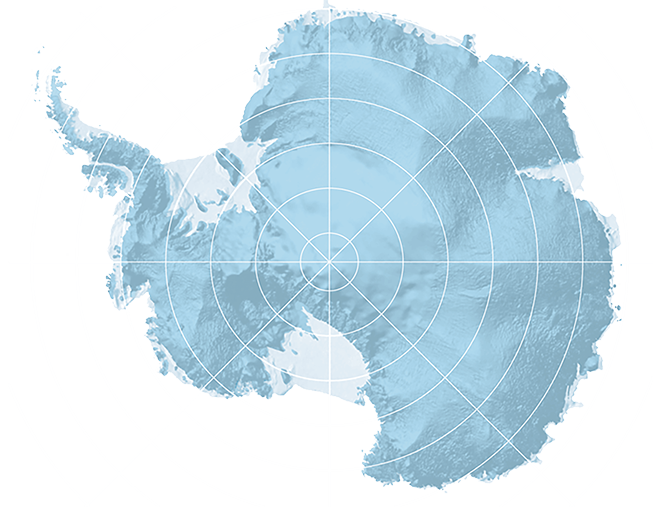
Fly 550 miles (885km) over the vast emptiness of West Antarctica to the Executive Committee Range. Our ski aircraft lands near Mount Sidley and we establish base camp at approximately 6700 ft (2042m), below the imposing bulk of the mountain.
Days 5-9 The Ascent
Mount Sidley offers several interesting route options, including a longer easy ascent from the north side and a steeper climb up the west ridge from the Bennett Saddle. The route that you climb will be decided by your team and your guide, based on the group's skill and experience.
From base camp to the summit involves approximately 7300 ft (2225m) of elevation gain. We climb alpine style, setting two intermediate camps on the mountain and carrying all of our food and equipment with us. We may ski to low camp on hard packed, wind blown snow, but most of the climb will be done with crampons.
Summit day offers spectacular views as we follow the summit ridge along the rim of the caldera. Below us the sheer walls of the Weiss Amphitheater drop away 4000 ft (1200m) and neighboring Mount Waesche tempts us with its snowy slopes. We weave our way between a maze of fantastical ice 'mushrooms'. These snow features are formed by wind and moisture depositing rime ice on small obstacles, over the years evolving into massive structures. Following our summit we return to high camp, then retrace our steps back to our base camp.
Days 10-11 Weather Days
Optional ascent of Mount Waesche or some of the other satellite peaks in the area, if time and weather allow. These days also provide a buffer for weather delays.
Day 12 Return to Main ANI Camp
Fly back to Union Glacier Camp. Celebrate our achievement with a glass of champagne and a delicious, fresh meal prepared by our chefs.
Day 13* Return to Punta Arenas, Chile
The aircraft from Punta Arenas will arrive with a new collection of avid explorers and you depart for the final leg of your Antarctic experience. Our ANI staff will meet you at Punta Arenas airport and transfer you to your hotel.
* Schedule
No two Antarctic experiences are exactly the same. This is part of the excitement and adventure of Antarctic travel. The itinerary above highlights typical activities and experiences. Exact timeline and details will vary from trip to trip. Trip length may vary by departure.
Please anticipate delays and do not plan anything for at least a week after your scheduled return. Allow yourself to enjoy this unique experience without the stress of pending commitments.
Here are some of the most frequently asked questions regarding this Experience. More FAQ's can be found on our Frequently Asked Questions page.
Weather and Environment
Will it be cold?
All of our journeys take place in the Antarctic summer (November through January) when the weather is at its best. We advise on suitable clothing so that you can enjoy your trip to the fullest.
The interior of Antarctica has a cold, dry, windy climate. Average mid-season temperatures at our base camp range from 10F to 25F (-12C to -4C ). On a sunny windless day it can feel quite warm but, when the wind blows, you will be glad of warm layers and a wind jacket. Temperatures can drop as low as -22F (-30C) in early November.
- At the South Pole temperatures rarely climb above -13F (-25C) with light winds and wind chill of -40F (-40C).
- Weather at the Emperor rookery is highly variable and influenced by coastal systems. Temperatures range from
-22F (-30C) to near 32F (0C) with sunny and overcast skies and the possibility of heavy snowstorms. - Mount Vinson climbers and skiers heading to the South Pole should prepare for extreme temperatures -40F (-40C) and severe storms.
Do I need to ski?
The snow around Union Glacier Camp is generally firm and fine for walking. The same is true at the South Pole, Emperor penguin rookery and other fly-in destinations. We have skis for recreational use, but you do not have to ski.
Likewise on Mount Vinson, the snow is usually firm and we do not usually use skis to ascend the mountain. We do however offer the option of a ski ascent for experienced skiers.
Other climbing Experiences may involve skiing to speed up travel on the glaciers. We normally use Alpine Touring (AT) ski equipment. You don’t have to be a good skier, as skiing on flat terrain with AT gear is akin to walking, but those who have some Nordic or downhill experience will obviously find it easier. Guidelines are provided for each Experience.
Safety, Medical and Insurance
Do I need travel insurance?
All ANI guests are required to provide cover for medical evacuation, due to the high cost of evacuation from Antarctica.
We also strongly recommend that you consider Trip Cancellation and Interruption insurance, to protect you in case you need to cancel for any reason. ANI Experiences are non-refundable within 90 days of departure.
Find more information and links to purchase travel insurance on our Travel Insurance pages.
Schedule and Itinerary
Will the itinerary be exactly the same as shown on the website?
Our itineraries are meant as a guide, to give you an idea of the kinds of activities and the flow of each Experience. However no two trips are exactly the same - and that is part of the excitement and adventure of Antarctic travel. Your unique itinerary will be tailored to your interests and abilities, weather conditions and coordination with other groups on the ice. Flight schedules are flexible and you should expect delays due to the unpredictable nature of Antarctic weather, runway conditions and other logistics.
When should I arrive?
For most Experiences we ask that you arrive in Punta Arenas, Chile at least two full days (48 hours) before your scheduled departure. This allows time for clothing and equipment checks and provides a buffer in case you should miss a flight connection or have lost luggage. An environmental and logistics briefing will be held at 10am on the morning prior to departure. We will collect your luggage and load the aircraft that afternoon, ready for departure.
Guests on longer ski traverses should arrive at least four full days prior to departure. We will spend the additional two days getting to know the team, reviewing expedition plans, making any last minute adjustments to equipment and finally packing our sleds ready for departure.
Please note that we cannot hold Antarctic flights for guests who are delayed arriving or who have lost luggage. We recommend that you give yourself plenty of time to enjoy your trip, without the stress of tight timelines.
Clothing and Equipment
I'm not sure I have the correct equipment?
We provide detailed clothing and equipment lists for all of our Experiences. If you still have questions after reading our equipment lists and overview just drop us a line and we will be more than happy to help.
Booking and Payment Information
I'm ready to book. What do I do?
Please email or call our office to confirm availablity on your chosen Experience and departure. We will ask you to fill out a medical form (and resume of experience for climbing and ski expeditions). Please fill these forms out completely and honestly. If we have any questions or concerns, we will work with you to resolve them. Once these have been approved, we will ask you send a deposit of $US 5000 to confirm your reservation.
Climbing Expeditions
Will I have to carry a heavy pack?
Mount Vinson, Mount Sidley
Expect to carry an expedition pack weighing up to 55 lb (25kg) with personal and group equipment, food and fuel.
Climb Antarctica
Not if you don’t want to. The flexible itinerary means you can do day trips from Union Glacier Camp or a satellite camp. However, all guests are expected to carry a small daypack containing their camera, warm jacket, spare gloves and food and drink for the day.
Skills
Although Sidley is not technically difficult, it is a serious mountain due to its elevation 14,058 ft (4285m), latitude (77°S), cold –25F (-30C) and extremely remote location. You should have experience with multi-day peaks in cold environments; climbing at altitude >14,000 ft (4300m); and with unsupported alpine-style ascents in winter conditions. Proficiency with an ice axe and crampons on slopes to 45 degrees and with roped glacier travel is essential.
Training
This is a very strenous alpine-style ascent. Expect to carry a 55lb (25kg) expedition pack, with all equipment and supplies.


ANI’s mission is to set the highest possible environmental standards and to use best practices. We believe in responsible and sustainable tourism where our guests leave Antarctica with a greater appreciation of its remarkable natural values.